
Article: Diwali and Health: How to Enjoy the Festivities While Staying Healthy

Diwali and Health: How to Enjoy the Festivities While Staying Healthy
Diwali has its own way of changing the rhythm of everyday life. Breakfast often gets pushed back because there is too much to prepare, and lunch becomes a quick affair between errands. Evenings are always filled with guests, snacks, sweets and celebrations that often continue well past bedtime.
And then there is the food. From kaju katli and laddoos to chakli, namak pare and homemade treats, Diwali is a celebration that is difficult to imagine without something delicious on the table.
There is absolutely nothing wrong with enjoying these traditions. The trouble usually begins when festive eating becomes the only eating pattern for several days. This is where Diwali and health need to become part of the same conversation. You do not need to give up your favourite sweets or follow a restrictive diet to feel good during the festive season. A few thoughtful choices around food, digestion, hydration and sleep can make a significant difference.
How Can You Stay Healthy During Diwali?
You can surely stay healthy during Diwali by maintaining regular meals, balancing all the festive treats with highly nutritious foods, always staying hydrated, and getting enough sleep.

Here are 5 practical Diwali tips to get started:
1. Do not skip meals to make room for sweets. Skipping breakfast or lunch will definitely leave you excessively hungry later, which will make it harder to manage portions during celebrations.
2. Include protein in your meals. Free-range eggs, fishes such as salmon, sardine, ans mackerel, chicken, and A2 curd will help make meals more satisfying and contribute to your daily protein intake.
3. Keep water within reach. Between shopping, travel, socialising and festive preparations, hydration is quite easy to overlook.
4. Make room for festive treats without making them every meal. Do enjoy your favourite sweets, but yes also avoid continuously picking at snacks throughout the day.
5. Protect your sleep routine. Late night celebrations are part of Diwali, but try not to let irregular sleep become a habit throughout the festive week.
What Happens When You Eat Too Many Diwali Sweets?
A piece of homemade ragi laddoo with your evening tea is hardly something to really worry about. However, eating large quantities of sweets repeatedly can increase your overall added sugar and calorie intake.
Most traditional sweets contain some combination of sugar, jaggery, refined flour, ghee, nuts or milk solids. While ingredients such as nuts contribute nutrients and fats, they also make many festive sweets energy dense.
Here is what can happen when portions become excessive.
1. Blood glucose fluctuations
Foods rich in added sugar can high blood glucose, specifically when eaten in large quantities or like without a well balanced meal. Your body's response is entirely dependent on the food, meal composition and portion size.
2. Higher overall calorie intake
Sweets are mostly consumed in addition to regular meals. Adding these extra calories repeatedly can make it easier to consume much more energy than your body requires.
3. Changes in energy levels
A larger, sugar heavy snack can be followed by energy and hunger fluctuations. This can be specifically noticeable when you've been skipping meals or eating irregularly.
4. Less room for nutritious foods
When sweets and fried snacks become the main part of your diet, you may end up eating fewer vegetables, protein rich foods and fibre rich meals.
You do not have to avoid sweets to manage these effects. Start with smaller portions, enjoy them after a balanced meal and pay attention to how your body responds.
How to Support Gut Health During Diwali?
Your digestive system experiences a change in routine during Diwali too. Rich meals, fried snacks, irregular eating times, lesser water intake and late night dinners can leave you feeling extremely bloated, uncomfortable or unusually full.
Don't focus on quick fix, emphasise on habits that support your gut throughout the festive season.
Eat enough fiber. Include green vegetables, seasonal fruits, legumes, nuts and seeds in your regular meals. Fibre supports bowel movements and offers nourishment for beneficial gut bacteria.
Stay hydrated. Water supports normal digestion and helps prevent constipation. Drink regularly throughout the day instead of trying to compensate by drinking large quantities at night.
Keep meals reasonably consistent. Long gaps between meals followed by very large portions can make digestion uncomfortable.
Include fermented foods if you tolerate them. Homemade curd and other suitable fermented foods like kimchi can contribute beneficial microorganisms to your diet.
Slow down while eating. Eating too quickly makes it easier to overeat and miss your body’s fullness signals.
If you are looking for additional support, Probiotics with Prebiotics combines 12 probiotic strains with prebiotic ingredients. It can complement a well balanced diet, but it does not and cannot replace fibre rich foods, hydration or other healthy eating habits.
Healthy Diwali Snacks for Diwali
One of the easiest ways to make Diwali healthier is to rethink what you keep on the snack table.

Here are a few swaps worth considering.
|
Instead of reaching for |
Try keeping these around |
|
Deep fried namak pare |
|
|
Sugary packaged bars |
|
|
Regular sugary breakfast cereals |
|
|
A snack with very little protein |
|
|
Fried snacks between meals |
Roasted chana, makhana or a handful of nuts |
And remember, homemade chakli, laddoos and other traditional favourites deserve a place on the table too. Enjoy them in portions that feel comfortable rather than treating them as forbidden foods.
How to Maintain Energy During Festive Celebrations?
Diwali can be surprisingly exhausting. There is shopping, cleaning, decorating, cooking, travelling and attending gatherings. When you combine all of this with irregular meals and late nights, feeling drained is not unusual.
Rather than relying on those extra cups of coffee or sugary snacks for a quick boost, focus on supporting your everyday energy needs.

Start with a proper breakfast. Definitely add a source of protein, such as free range boiled eggs or omelet, moong dal chilla, along with fibre rich foods.
Do not let protein disappear from your meals. Include eggs, fish, chicken, paneer, curd or legumes depending on your food preferences.
Stay hydrated. Keep your water bottle handy, especially when you are out shopping.
Take short movement breaks. You don't need an intense workout during the festive season, I mean if you're doing it, well done. A short walk after meals or some light stretching can help you stay active.
Pay attention to nutritional gaps. B vitamins play a crucial role in energy metabolism, it helps the body convert nutrients from food into usable energy. If your diet or health history suggests a deficiency, go for Active B-Complex as it provides B vitamins in active forms.
It can be considered when supplementation is appropriate, but it is not an instant energy booster or a substitute for adequate food and sleep.
How to Sleep Better During Diwali Celebrations?
Between late night gatherings, fireworks, travel and early morning preparations, sleep is one of the first things to suffer during Diwali.
Here are some ways to protect your sleep without missing out on celebrations.
Keep a reasonably consistent bedtime. You can sleep later on special occasions, but try not to shift your sleep schedule dramatically every night.
Watch your caffeine intake. Tea and coffee are common during social gatherings, but consuming caffeine later in the day can make it harder to fall asleep.
Avoid very heavy meals immediately before bed. Give yourself some time to digest after a large dinner, especially if you experience acidity or reflux.
Create a calmer wind down routine. Reduce screen time, dim the lights and give yourself a little time to relax before sleeping.
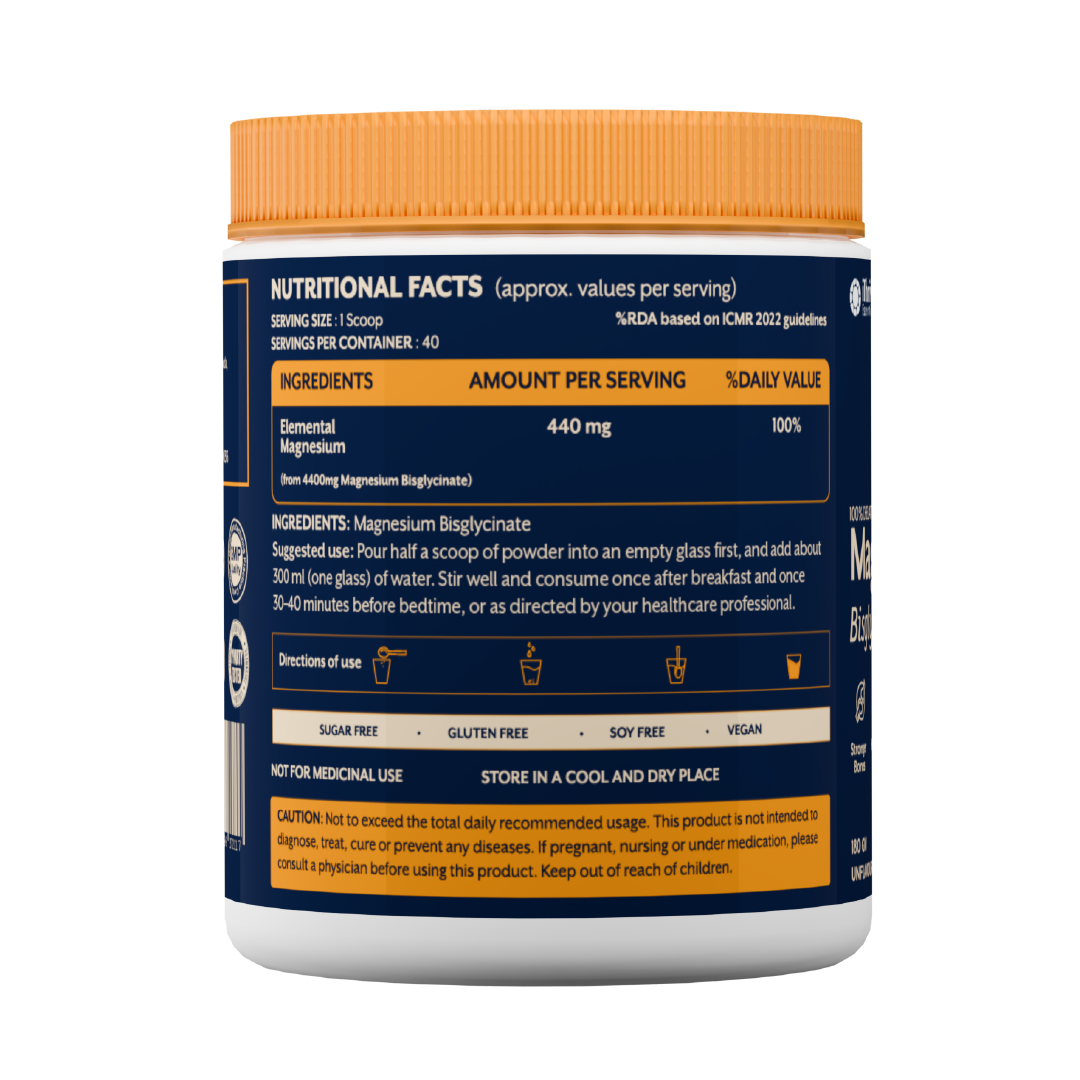
Include magnesium rich foods. Pumpkin seeds, almonds, leafy greens and legumes can contribute to your daily magnesium intake. Magnesium supports normal muscle and nerve function, and you can learn more about the relationship between magnesium and sleep quality.
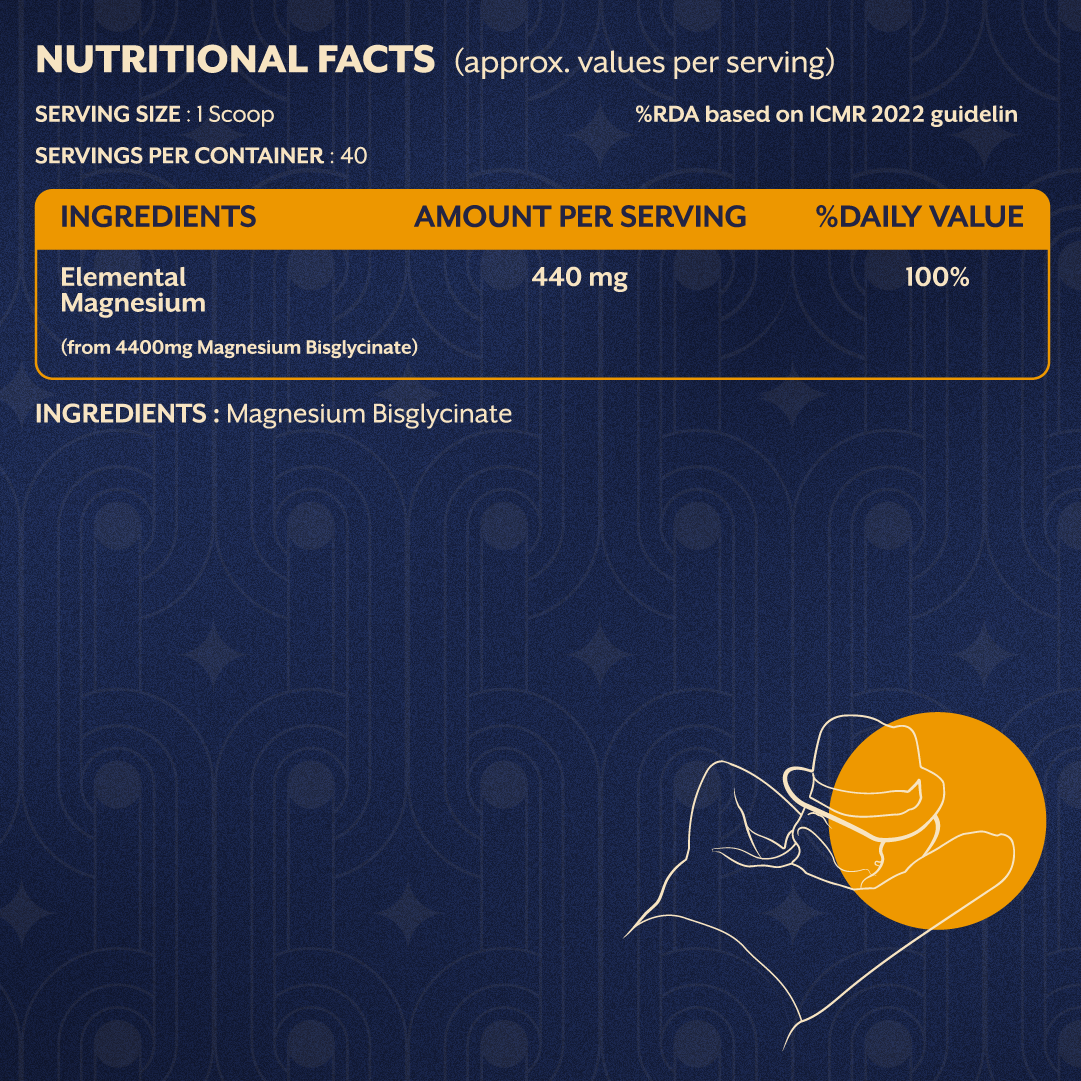
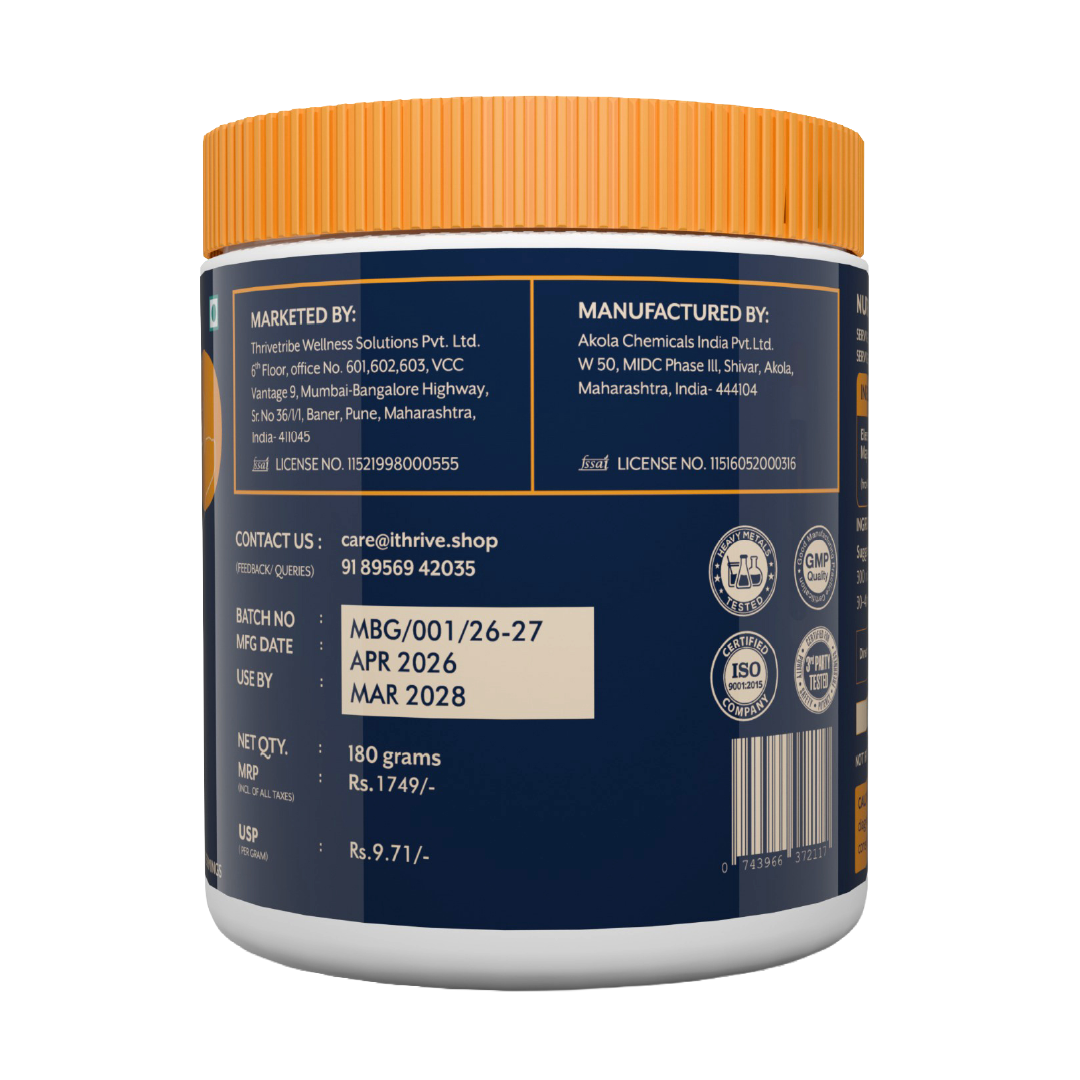
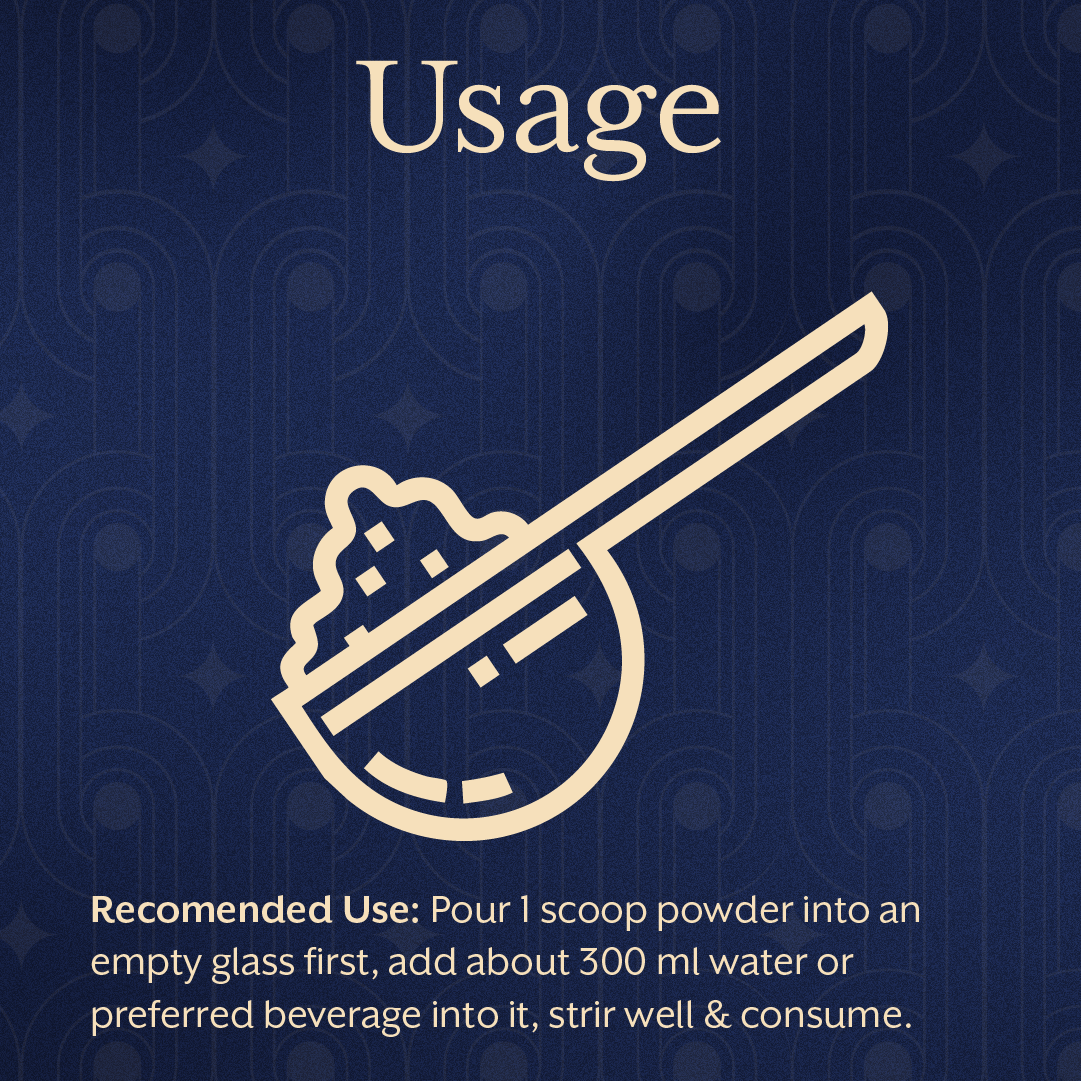
If you are not getting enough magnesium through your diet, Magnesium Bisglycinate is go to supplement option to explore.
Nutritionist Recommended Festive Food Essentials
A healthy Diwali snack table does not need to look dramatically different from a traditional one. It simply needs a little more variety and a few thoughtful additions.
Here are five products worth considering when planning your festive food spread.
1. Nutoras Protein Cottage Cheese
Cut the cottage cheese into cubes, season with herbs and spices, and grill or pan sear. Serve with mint chutney or add it to a salad.
2. Gobbleright Crunchies
Serve these baked crunchies with homemade hummus, guacamole or a yoghurt based dip.
3. Gobbleright Smart Cookie Dough
Use the Smart Cookie Dough to prepare bite sized cookies for guests.
4. The Whole Truth Double Cocoa Protein Bar
Keep one protein bar handy when you are travelling, shopping or moving between gatherings and need a portable snack.
5. The Whole Truth Nuts, Fruits and Seeds Muesli
Pair the muesli with plain curd or milk and fresh fruit for a convenient breakfast.
A Simple One Day Healthy Diwali Meal Plan.
Healthy eating during Diwali does not need complicated recipes or separate meals for everyone at home. Here is a simple example of how you can balance regular nutrition with festive favourites.
|
Time |
What to eat |
Supplement consideration |
|
Breakfast |
Omlette or moong dal chilla with curd. Add a small serving of The Whole Truth Nuts, Fruits and Seeds Muesli if you prefer. |
iThrive Essentials Active B Complex and Probiotics with Prebiotics, if already part of your routine. |
|
With breakfast |
Include a few nuts or another source of healthy fats. |
iThrive Essentials Vitamin D3 + K2 can be taken with a meal containing fat, if recommended for you. |
|
Mid morning |
A seasonal fruit with a handful of almonds or walnuts. |
Keep water handy. |
|
Lunch |
Dal, rice or roti, chicken and a protein source such as Nutoras Protein Cottage Cheese. |
No additional supplement is necessary just because it is lunchtime. |
|
Evening snack |
Gobbleright Crunchies with homemade dip, roasted makhana or a small portion of your favourite Diwali sweet. |
Stay hydrated rather than relying on sugary drinks. |
|
Dinner |
Vegetable khichdi with curd or grilled fish. |
Keep dinner balanced and avoid making it excessively heavy. |
|
Before bed |
A calm wind down routine and enough time to relax. |
iThrive Essentials Magnesium Bisglycinate, if it is part of your recommended supplement routine. |
Key Takeaway
Diwali is meant to be enjoyed, and that includes the food, the sweets and the late night conversations. Looking after your health does not mean saying no to everything that makes the festival special.
It means making sure that festive treats do not completely replace balanced meals, that your body gets enough protein, fibre and essential nutrients, and that hydration and sleep do not become afterthoughts.
A healthy Diwali is about enjoying the celebrations while making choices that help you feel good, whether through mindful eating, balanced nutrition or thoughtful Diwali wellness gifting ideas for your loved ones.

Written by Mugdha Pradhan






Leave a comment
This site is protected by hCaptcha and the hCaptcha Privacy Policy and Terms of Service apply.