
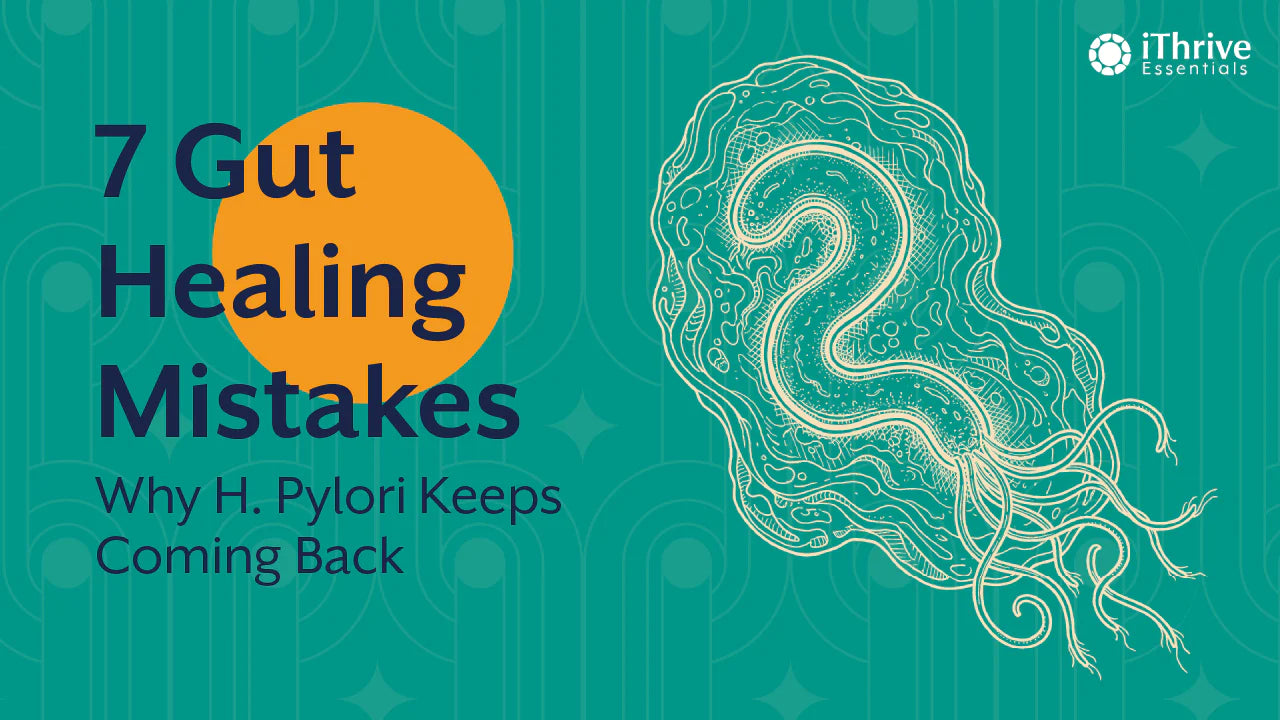
Why H. Pylori Keeps Coming Back: 7 Mistakes That Stop Your Gut From Healing.
Helicobacter pylori also known as H. pylori is a spiral shaped bacterium that can live in the stomach lining and is one of the most common causes of chronic gastritis, stomach ulcers, bloating, acid reflux, and digestive discomfort. While many people focus solely on eliminating the bacteria, long term recovery often depends on restoring the gut environment, repairing the stomach lining, and addressing the nutritional consequences of the infection.
Introduction
Over the past five years, our in-house scientist and head of formulations has noticed one pattern that has become impossible to ignore. He has also noticed that most people treating H. Pylori are missing the bioavailability aspect entirely. People complete a treatment protocol for H. pylori, feel better for a few weeks or months, and then slowly find themselves dealing with the same symptoms again. The bloating returns, digestion becomes quite unpredictable, energy levels dip, and the meals that once felt comfortable start causing discomfort.
In the majority of cases, the problem is not that the bacteria was never addressed, rather the problem is that recovery was treated as a single event rather than a process.
So here at iThrive, our in-house supplement specialist has spent years and years in formulating bioavailable supplements and studying the factors that influence gut health outcomes. One thing has become clear is that successful H. pylori recovery requires much more than targeting a single microbe. It requires understanding why the infection developed, how it affects the stomach environment, and what the body needs afterward to heal properly.
Before discussing the most common mistakes, it is important to actually understand what H. pylori actually does inside the body.
What Is H. Pylori And Why Does It Matter?

H. pylori is a bacterium that has evolved to survive in one of the harshest environments in the human body which is the stomach. It does this by producing enzymes that help neutralize stomach acid around itself, further allowing it to colonize the stomach lining.
For some people, H. pylori might also exist without any obvious symptoms. For others, it can trigger chronic inflammation, alter digestive function, affect nutrient absorption, and also contribute to stomach ulcers over time.
How H. Pylori Spreads?
We believe H. pylori primarily spreads through close contact with infected saliva, contaminated food or water, and poor hygiene practices. As it can remain undetected for years, many individuals do not even realize they have it until digestive symptoms become more noticeable.
Common H. Pylori Symptoms In Adults
Symptoms can vary significantly from person to person, but some of the most common involve:
- Persistent bloating
- Frequent burping
- Upper abdominal discomfort
- Acid reflux
- Nausea
- Feeling full quickly during meals
- Reduced appetite
- Fatigue
As you may already know, many of these symptoms overlap with other digestive conditions, which is exactly why proper testing matters.
Mistake #1: Ignoring Proper Testing
One of the biggest mistakes you'll make is assuming symptoms alone can confirm H. pylori.
I would like to add that bloating does not automatically mean H. pylori. Neither does other symptoms like reflux, indigestion, or stomach discomfort. These can also be associated with numerous digestive issues.
Why Symptoms Alone Are Not Enough
Without proper testing, people often spend months experimenting with various supplements, restrictive diets, and online remedies without ever knowing whether H. pylori is actually present or not.
Which H. Pylori Test Is Most Reliable?
Several testing methods exist, including stool tests, breath tests, and laboratory assessments. The most important factor is obtaining accurate information before building a strategy around it.
If you're looking for a convenient way to assess H. pylori status, this H. Pylori Test Kit can serve as a useful starting point before making any decisions about supplements or dietary interventions.
Mistake #2: Focusing Only On Killing The Bacteria
Many of you view H. pylori as a simple enemy that must be eliminated. While reducing bacterial burden is a part of the process, it is not merely the whole story.
The stomach is an ecosystem. So once the inflammation has been present for months or years, the surrounding environment changes as well. The protective mucosal layer can become compromised, digestive secretions may become altered and beneficial microbes throughout the digestive tract can shift.
When the entire focus remains on eradication, the process of recovery often remains incomplete.
Mistake #3: Ignoring The Gut Lining
The stomach lining works like a protective shield. Every day, it defends delicate tissues from highly acidic stomach contents.
H. pylori has the ability to disrupt this protective barrier through chronic irritation and inflammation.
Why The Gut Lining Matters
Even after the bacterial burden decreases, irritation can still persist if the tissue itself has not been given adequate time and support to recover. Our practitioners here at iThrive now view gut healing as a separate phase of recovery unlike others who view it as a side effect of treatment.
The Overlooked Healing Phase
This is where many of you become frustrated. You'll expect symptoms to disappear immediately once H. pylori is addressed but healing takes time.
For a deeper discussion on rebuilding digestive resilience after infection, our blog on H. pylori Natural Gut Healing and Microbial Reset explores this recovery phase in greater detail.
Mistake #4: Assuming Any Probiotic Will Solve The Problem
A common question most of you often ask is: "Which probiotic kills H. pylori?"
The answer will surprise many of you.
Which Probiotic Kills H. Pylori?
No probiotic should ever be viewed as a standalone cure for H. pylori.
Certain strains might surely support microbial balance and digestive health, but probiotics are generally best viewed as supportive tools rather than direct solutions.
This distinction matters because many of you purchase random probiotic products expecting dramatic results but let me clear they were never designed to deliver that.
Mistake #5: Believing Natural Remedies Alone Are Always Enough
The internet is filled with lists of natural remedies that claim to eliminate H. pylori completely.
Trust me when I say reality is more nuanced.
Can H. Pylori Heal Without Antibiotics?
The answer entirely depends on multiple factors including bacterial load, symptom severity, individual health status, as well as medical history.
Natural approaches might play an important supportive role in digestive health and recovery. However, assuming that every case can be managed through natural remedies alone oversimplifies a complex condition.
The smartest approach begins with testing and informed decision making rather than assumptions.
Mistake #6: Overlooking Nutrient Deficiencies

One of the least discussed consequences of H. pylori is its impact on nutrient status.
The Supplements That Actually Make Sense Here
Before anything else, always ensure to test first. Symptoms such as bloating, reflux, or even fatigue overlap with so many other conditions and without confirmation, you're just guessing.
Once you know H. pylori is actually present, here's what we've formulated specifically for you:
If you want to start with the infection itself, the H. Pylori Relief is built around exactly that that breaks the protective biofilm which is the bacteria that hides behind (that's the NAC), then targets the bacteria with Berberine, Black Garlic, and Oregano, while Gutgard® Licorice works on repairing the stomach lining at the same time.
If you want the full picture done for you, the H. Pylori Complete Relief Kit takes you through all three phases that involves clearing the infection, binding and removing the die-off toxins, and then rebuilding the gut with probiotics. It's designed by our head of formulations in such a way that each step supports the next.
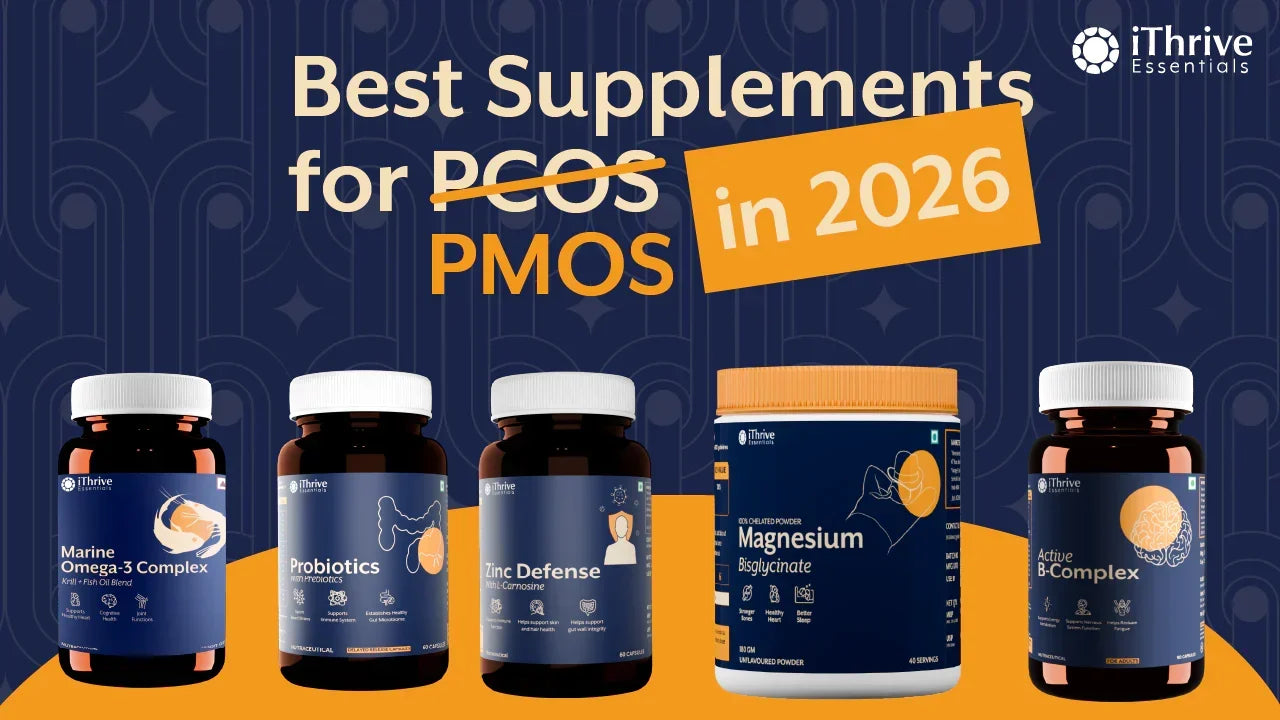
On the nutrient side I'll be honest that H. pylori quietly depletes B12, zinc, and magnesium over time. The Active B-Complex, Zinc Defense with L-Carnosine (L-Carnosine as it specifically supports the stomach lining), and Magnesium Bisglycinate is worth considering once digestion is recovering and absorption is improving.
After the protocol, the Probiotics with Prebiotics helps restore what the infection is and the treatment that is disrupted.
None of this replaces a test or a doctor. But once you know what you're dealing with, having the right support in place makes the recovery process a lot less frustrating.
Mistake #7: Not Supporting Long Term Gut Resilience

Getting rid of symptoms is one goal but building a digestive system that remains resilient years later is another.
Many of you underestimate how strongly lifestyle factors influence digestive health. Chronic stress, poor sleep, highly processed diets, and irregular eating patterns can all together contribute to ongoing digestive dysfunction.
Gut Healing Is Bigger Than Bacterial Eradication
The most successful recoveries usually involve addressing the bigger picture:
- Nutrient status
- Sleep quality
- Stress management
- Dietary quality
- Microbial diversity
- Digestive resilience
When these factors improve together, long term outcomes often improve as well.
Best Supplements For H. Pylori Recovery
No supplement should be viewed as a replacement for proper testing or medical guidance. However, nutritional support can play an important role during recovery.
Areas commonly considered include:
Gut Lining Support
Ingredients that support mucosal integrity and tissue repair.
Microbial Balance Support
Targeted probiotic strategies designed to support a healthier digestive environment.
Nutrient Replenishment
Addressing deficiencies that may have developed during prolonged digestive dysfunction.
Digestive Support
Helping optimize overall digestive function as recovery progresses.
What separates effective formulations from average ones is often bioavailability. This principle has guided our formulation approach from the beginning because even the most impressive ingredient list means very little if the body cannot efficiently absorb and utilize it.
Key Takeaway
Most people think the challenge with H. pylori is getting rid of the bacteria. In reality, that is often only one piece of a much larger puzzle. H. pylori can influence stomach function, nutrient absorption, gut barrier integrity, and overall digestive resilience. This is why many people continue struggling with symptoms even after addressing the infection itself. Sustainable recovery usually involves a broader strategy that includes proper testing, restoration of nutritional status, support for the gut lining, and long term digestive health habits. If there is one lesson that consistently emerges from years of working in the gut health space as mentioned by Suyash who is the head of formulations, it has to be that healing the environment is often just as important as addressing the organism. When both are considered together, the chances of lasting improvement become significantly stronger.

Leave a comment
This site is protected by hCaptcha and the hCaptcha Privacy Policy and Terms of Service apply.