
Candida Overgrowth Symptoms: 12 Signs Your Gut Has a Yeast Problem (Plus Anti-Fungal Support)
If you're searching for candida overgrowth symptoms, you're likely trying to connect everyday issues-like bloating, sugar cravings, or fatigue-to a possible gut yeast imbalance. Because these signs can overlap with other conditions, it's best to use this guide as a starting point and speak with a qualified clinician if symptoms persist.
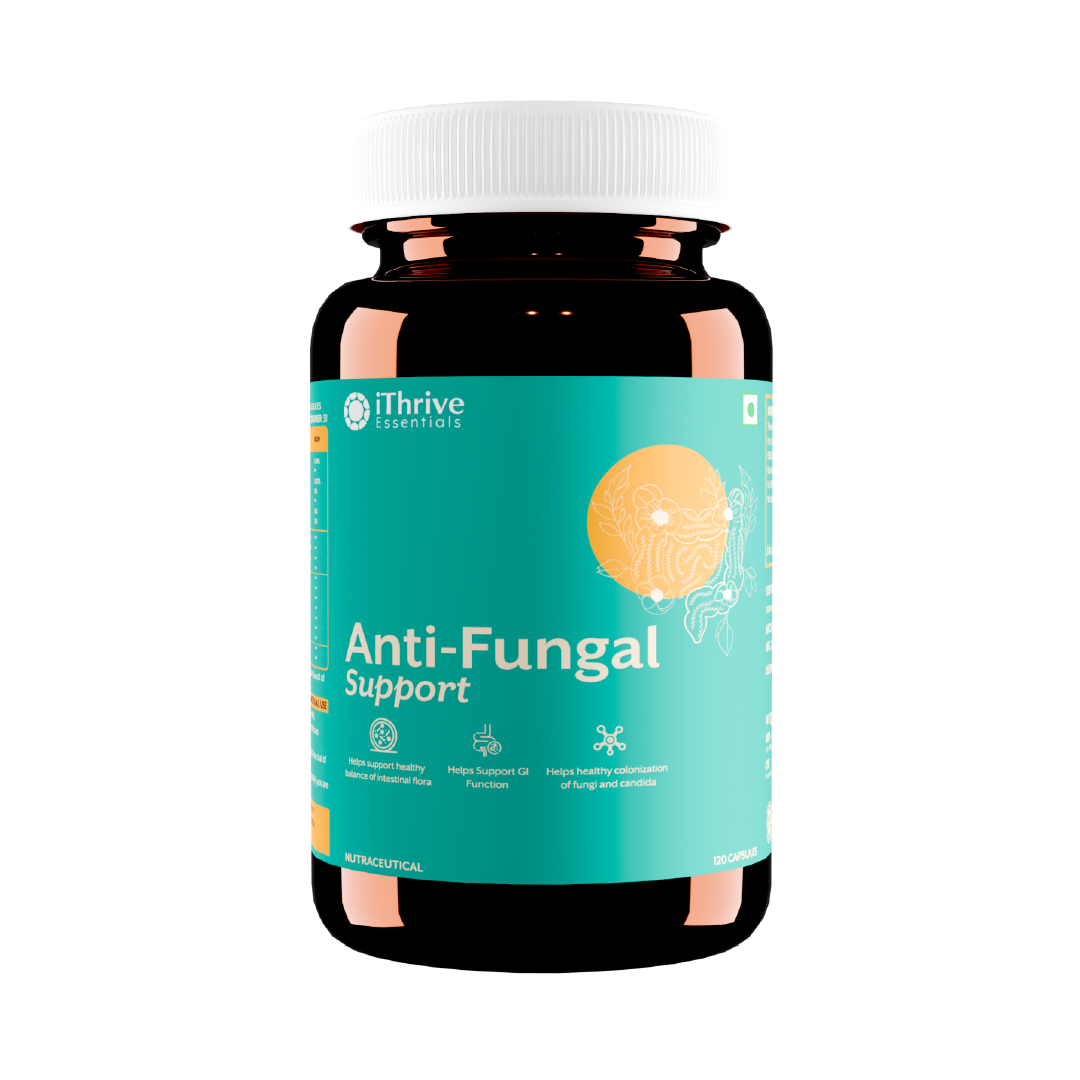
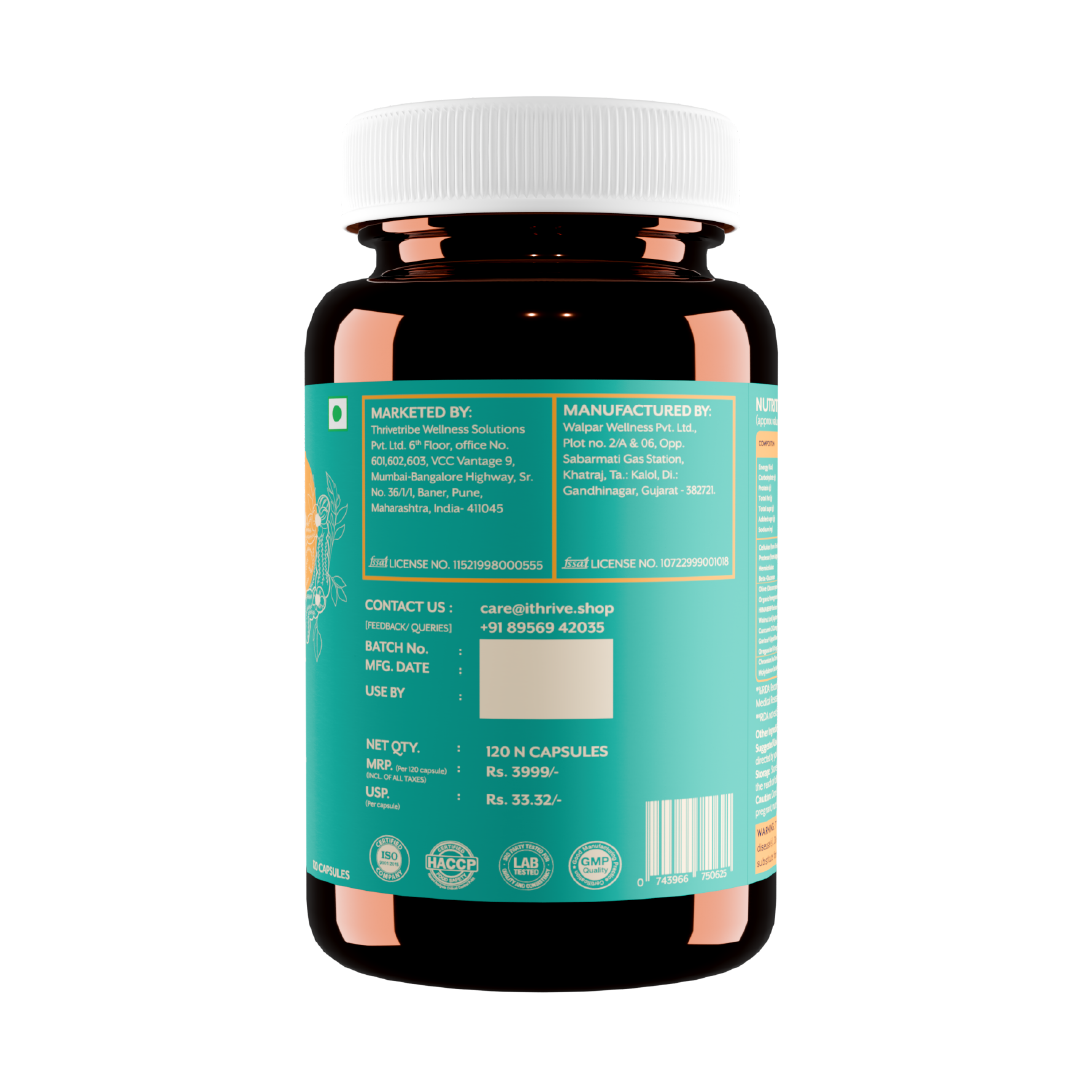
If you're specifically looking at supplement-based support, this article also highlights where an anti-fungal formula may fit in-such as iThrive Essentials Anti-Fungal Formula Capsules.
Quick answer: what are candida overgrowth symptoms?
Candida overgrowth symptoms are most often described as digestive discomfort (bloating, gas, bowel changes), sugar cravings, fatigue, and brain fog-sometimes along with recurring skin or fungal issues. Therefore, many people start by reducing added sugar, supporting gut balance, and then considering anti-fungal support when appropriate.
If you want supplement-based support, this guide also shows where an anti-fungal formula may fit, such as iThrive Essentials Anti-Fungal Formula Capsules.
What is Candida and why does overgrowth happen?
Candida is a yeast that can naturally live in the mouth, skin, and digestive tract. Usually, it's kept in balance by the microbiome and immune defenses. However, when that balance shifts, yeast can grow more than usual.
Common contributors include:
-
Antibiotics that disrupt gut bacteria
-
High-sugar and highly refined diets
-
Ongoing stress and poor sleep (which can affect immunity)
-
Hormonal shifts
Candida overgrowth symptoms: 12 signs your gut may have a yeast problem
These symptoms of candida overgrowth are not a diagnosis by themselves. Still, they can help you track patterns and decide what to discuss with a clinician.
-
Bloating after meals (often worse after sugary or refined-carb foods)
-
Excess gas or a "fermenting" feeling in the gut
-
Constipation, diarrhea, or alternating bowel habits
-
Strong sugar cravings that feel hard to control
-
Fatigue even with adequate sleep
-
Brain fog (trouble focusing, feeling mentally slow)
-
Mood changes such as irritability or low mood
-
Recurring skin itch or rashes
-
Recurring fungal infection symptoms (for example, athlete's foot-like symptoms)
-
Oral thrush (white patches, soreness, mouth discomfort)
-
Vaginal yeast infection signs (itching, irritation, discharge) when relevant
-
New food-trigger patterns (symptoms that repeat after certain foods)

Candida overgrowth in the gut: key digestive symptoms
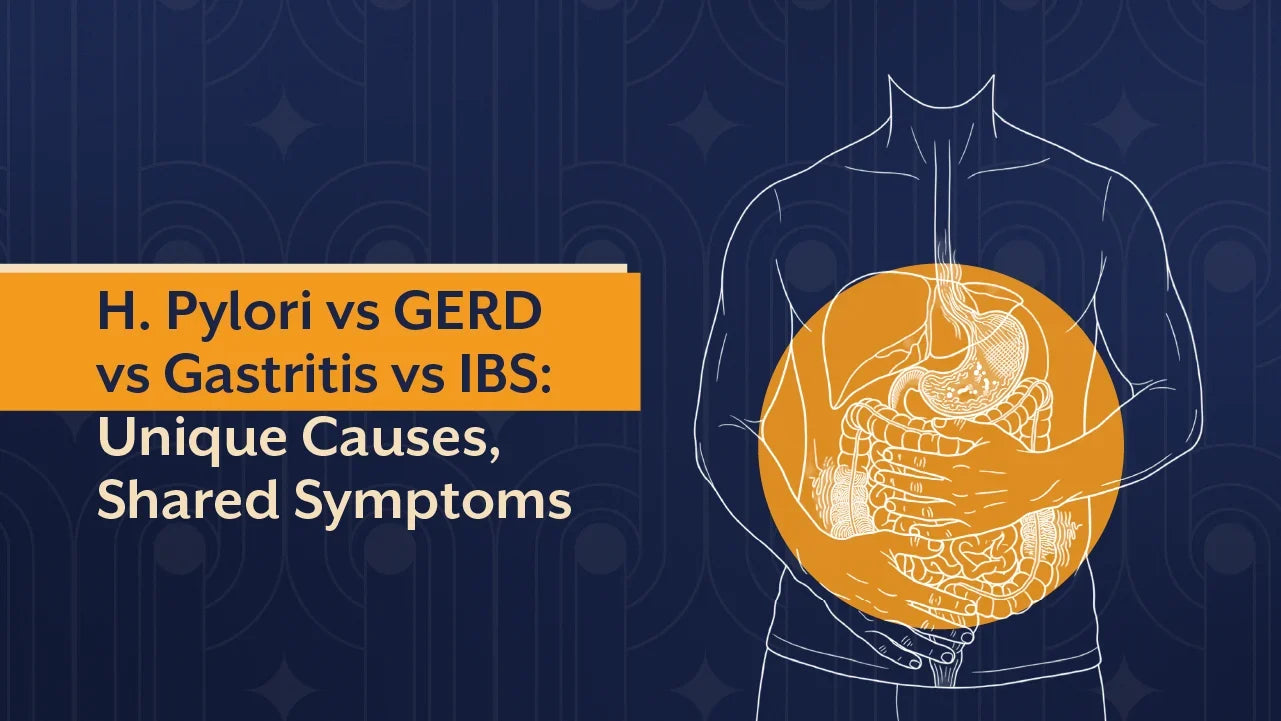
Candida overgrowth in gut symptoms are often described as bloating, gas, and bowel irregularity. Meanwhile, these signs can look like IBS or food intolerance, so evaluation can help if you're not improving.
-
Bloating and gas that flare after high-sugar foods
-
Bowel changes that last for weeks
-
Sugar cravings that make diet changes tough
Other fungal infection symptoms to watch for
In addition to gut symptoms, fungal issues can show up on the skin or in the mouth. For example, some people notice recurring itchiness, rashes, or oral thrush.
-
Skin itch, rashes, or irritation
-
Oral thrush
-
Fatigue and brain fog
Diagnosing candida overgrowth: tests and evaluation
There's no single test that explains every symptom pattern. A healthcare professional usually reviews symptoms, medical history, and other possible causes first. Depending on symptoms, they may consider stool testing (in certain contexts), blood work, or swabs when relevant. If you want to explore testing, you can book a consult.

Anti-fungal support: supplements, diet, and practical next steps
For many people, the best results come from doing the basics first and then adding targeted support. In other words, build a routine you can stick with.
1) Reduce added sugar and refined carbs
Candida can use sugars as fuel, so reducing added sugar is often a useful first step. Also focus on protein, vegetables, fiber, and hydration.
2) Support gut balance
Many people include probiotic foods or supplements (when appropriate) alongside fiber-rich meals. Additionally, steady sleep and stress support can help.
3) Consider anti-fungal support (when appropriate)
Some people use anti-fungal ingredients and/or an anti-fungal supplement as part of their routine. For a deeper internal guide, read: Antifungal Support for Fungal Infection.
Product-focused option: iThrive Essentials Anti-Fungal Formula Capsules
If you want a supplement-led approach, consider iThrive Essentials Anti-Fungal Formula Capsules as an option for Anti-Fungal Support. Typically, people pair an anti-fungal formula with:
-
Diet cleanup (lower sugar/refined carbs)
-
Gut support (fiber + probiotics when suitable)
-
Consistency (tracking symptoms and triggers over time)
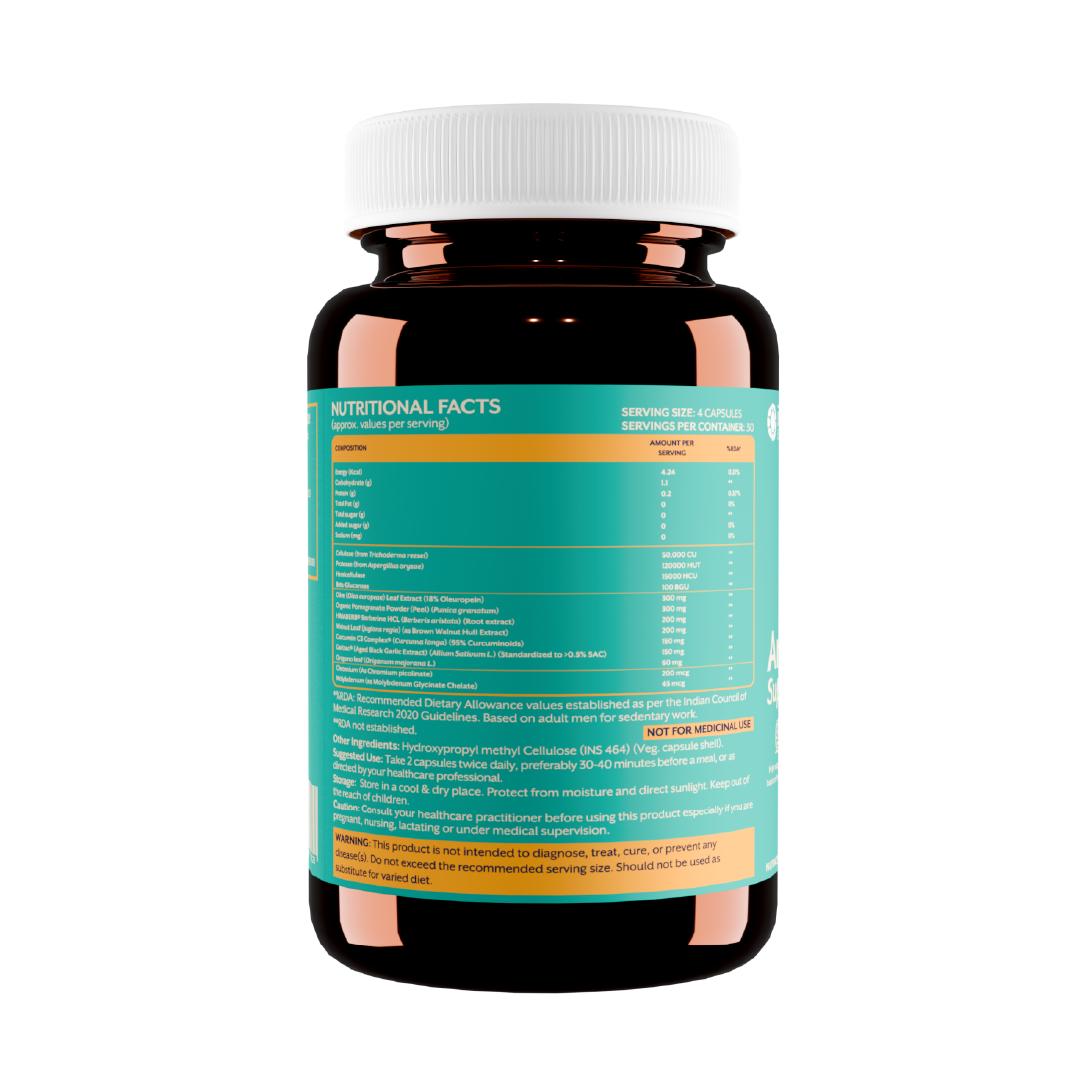
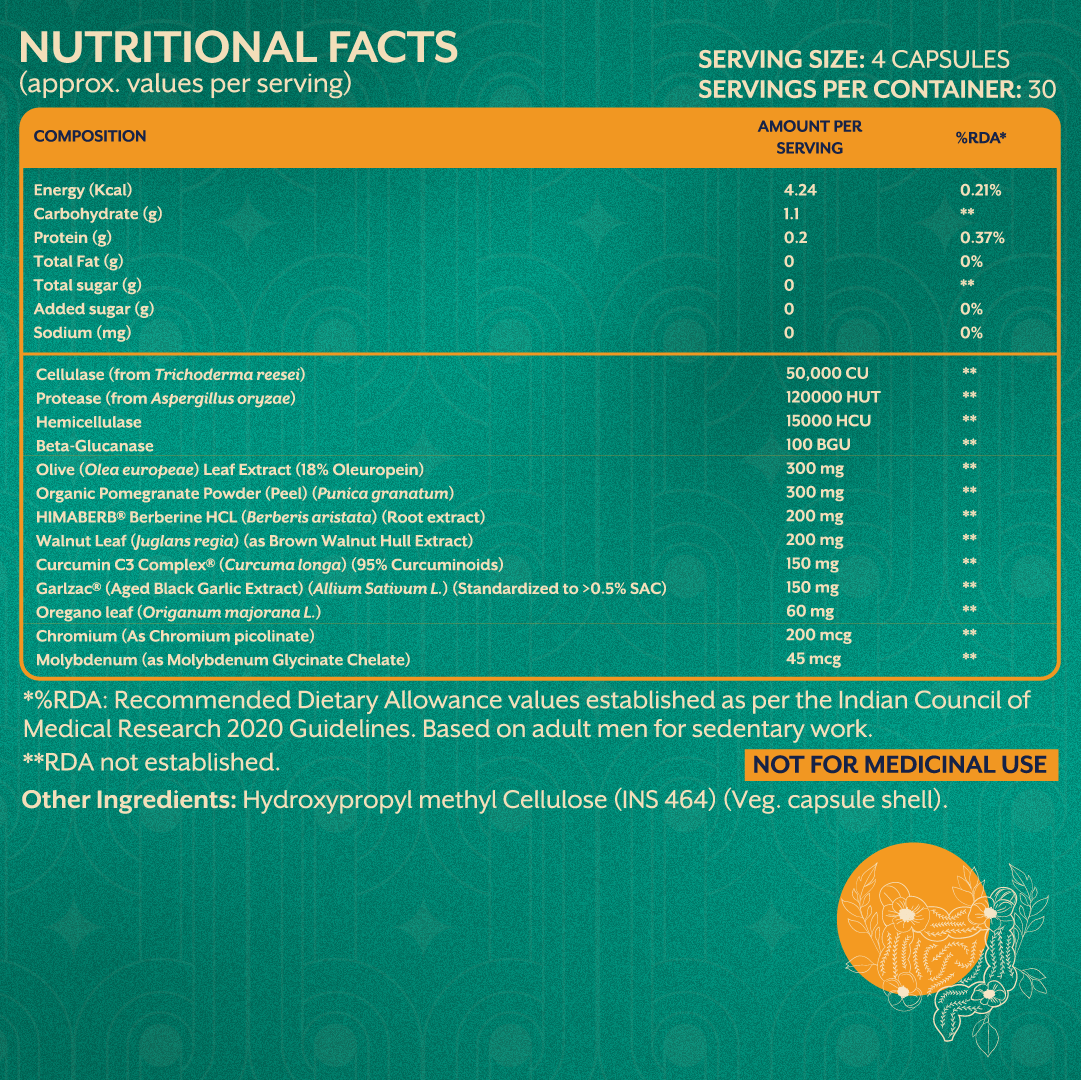
Important: Check the label and consult a clinician if you have a medical condition, take medication, or need personalized guidance.
Common anti-fungal ingredients people use (examples)
- Caprylic acid
- Grapefruit seed extract
- Oregano oil
- Garlic extract
Diet and lifestyle strategies for long-term support
- Diet: Limit added sugar; emphasize whole foods, protein, non-starchy vegetables, and fiber.
- Stress: Use stress management techniques (walks, yoga, meditation, breathwork).
- Sleep: Aim for consistent, adequate sleep to support recovery.
- Movement: Regular activity supports metabolic and immune health.
Conclusion
Candida overgrowth symptoms can be frustrating because they overlap with many gut and immune issues. However, a steady plan can help: track your patterns, reduce added sugar, support gut balance, and get clinical advice if symptoms don't improve. If you want targeted Anti-Fungal Support, review iThrive Essentials Anti-Fungal Formula Capsules and pair it with the foundational steps above.
References
- CDC Candidiasis (overview and risk factors): https://www.cdc.gov/fungal/diseases/candidiasis/
- NHS Thrush (general guidance): https://www.nhs.uk/conditions/thrush/
- NIH/MedlinePlus Vaginal yeast infection: https://medlineplus.gov/vaginalyeastinfection.html

Written by Mugdha Pradhan


Leave a comment
This site is protected by hCaptcha and the hCaptcha Privacy Policy and Terms of Service apply.