
High homocysteine? What it means and how to bring it down?
Homocysteine is an amino acid your body makes and clears each and every day. When the clearance slows down, levels rise in the blood and that is picked up on a routine homocysteine test.
Here's what the numbers mean and what actually brings them down.
What is homocysteine?
Homocysteine is a byproduct of methionine metabolism, which is an amino acid that comes from protein in your diet. B vitamins including B6, B9, and B12 normally recycle it into methionine or cysteine. When this recycling slows, homocysteine builds up in the blood.
What does a homocysteine test measure?
A homocysteine test measures the amount of homocysteine circulating in your blood, usually drawn through a simple venipuncture with no fasting required. Doctors order it to check B-vitamin status, assess cardiovascular risk, or investigate unexplained clotting or neurological symptoms. Results typically come back within the duration of 1-2 days.
Homocysteine normal range
The homocysteine normal range for most healthy adults is 5-15 µmol/L, though individual labs may set the upper cutoff slightly differently. Levels below 10-12 µmol/L are generally considered optimal. Anything above 15 µmol/L is flagged as elevated and worth discussing with your doctor.
Normal homocysteine levels by age
Normal homocysteine levels by age trend upward as you get older, since B-vitamin absorption and kidney clearance both decline with age. A common reference pattern looks like this:

Men tend to run slightly higher than women at every age, largely due to noticeable differences in muscle mass and creatinine clearance.
What is a dangerous homocysteine level?
Levels are generally classified as moderate (16-30 µmol/L), intermediate (31-100 µmol/L), and severe (above 100 µmol/L). Severe elevations are rare and usually point to a genetic condition or significant kidney disease. Even moderate, sustained elevation is worth addressing, since it's linked to higher cardiovascular and clotting risk over time.
What causes high homocysteine?
The most common cause is a shortfall in vitamin B6, B9 (folate), or B12, since these vitamins drive the recycling pathway. Other contributors include the MTHFR gene variant, kidney disease, hypothyroidism, smoking, high alcohol intake, and certain medications. Poor gut absorption of B vitamins is another frequently overlooked cause.

High homocysteine symptoms
Elevated homocysteine often produces no symptoms directly and is usually caught only through a blood test. When symptoms do appear, they tend to reflect the underlying B-vitamin deficiency, which can be reflected as fatigue, brain fog, low mood, tingling in the hands or feet, and pale skin. In women specifically, unexplained fatigue and mood changes are the most commonly reported early signs.
Is high homocysteine dangerous?
Yes, sustained high homocysteine is directly associated with damage to the lining of blood vessels and a higher tendency for blood to clot. Research links it to increased risk of heart attack, stroke, and blood clots, and some studies have also examined its association with cognitive decline. It's considered a modifiable risk marker, and never a disease in itself.
High homocysteine and cancer
Certain studies have explored a link between elevated homocysteine and certain cancers, largely because both conditions share a connection to poor folate and B12 status. However, the evidence isn't conclusive enough to call homocysteine a direct cause of cancer. It's best understood as one marker among many that reflects overall nutritional and metabolic health.
Serum homocysteine test: What to know
The serum homocysteine test is the standard method that labs use to measure this marker, and it's the same sample type used for most routine metabolic panels. No special prep beyond a normal fasting window (if requested by your lab) is usually required. Results are typically interpreted alongside folate and B12 levels for a fuller picture.
Is high homocysteine treatable?
Yes. Because the most common cause is a B-vitamin shortfall, correcting it through diet, targeted supplementation, and addressing any underlying condition (like hypothyroidism or MTHFR-related conversion issues) typically brings levels back down within weeks to a few months. Retesting after 8-12 weeks is a standard way to track progress.
How to reduce homocysteine levels?
How to reduce homocysteine levels comes down to giving your body enough active B6, B9, and B12 to run the recycling pathway efficiently, along with lifestyle changes that support it.

How to reduce homocysteine fast:
Prioritise B-vitamin repletion first, since this is the fastest-acting lever. Add regular movement, cut back on alcohol, and stay well hydrated to support clearance.
Foods that help: Leafy greens, eggs, fishes like sardine, salmon and mackerel, and legumes supply natural folate, B12, and B6.
What foods should I avoid if my homocysteine is high?
Foods to limit if your homocysteine is high includes excess red meat, alcohol, and highly processed foods, since these increase methionine load without supplying the B vitamins needed to clear it.
How much B12 to reduce homocysteine: Clinical studies commonly use B12 in combination with folate and B6, since the three work together in the same pathway rather than independently. This is why a combined B-complex approach is generally more effective than B12 alone.
Why do active forms of B vitamins matter?
Not everyone converts standard B vitamins efficiently. Folic acid needs to become 5-MTHF, and cyanocobalamin needs to become methylcobalamin, before your body can use them. If you carry the MTHFR variant (which roughly 10-15% of people do) or have gut inflammation, this conversion step is often where things stall, leaving homocysteine unmanaged despite adequate vitamin intake.
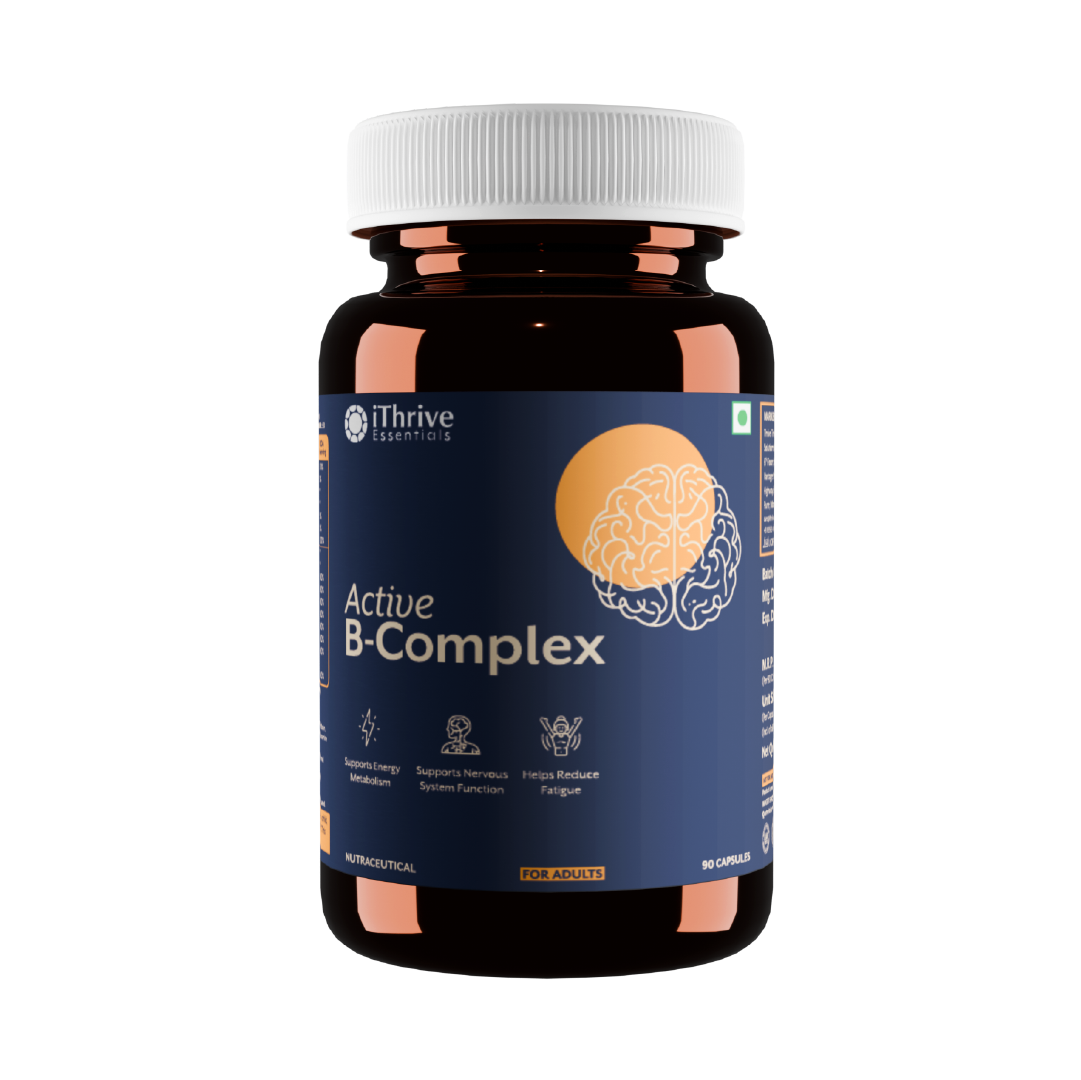
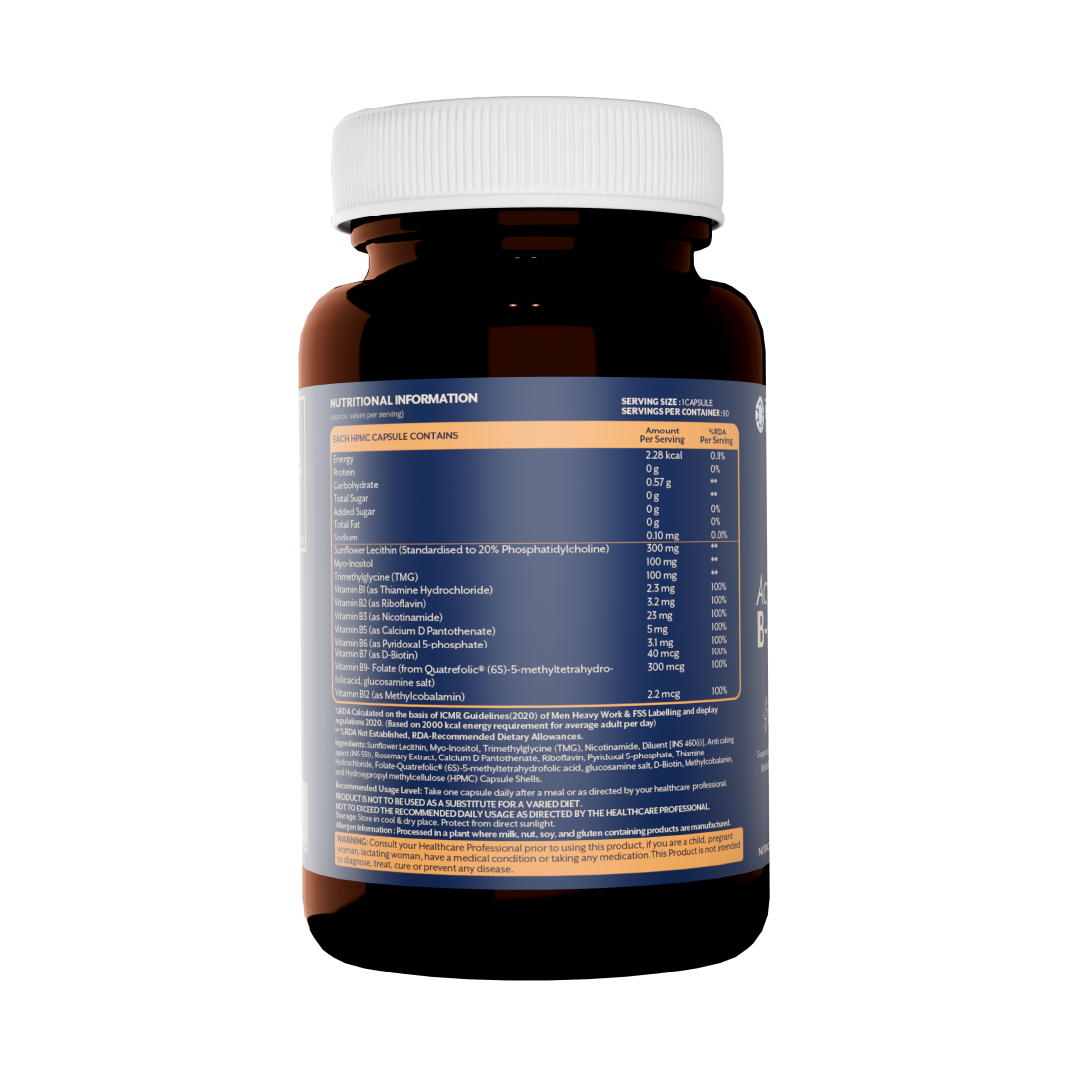
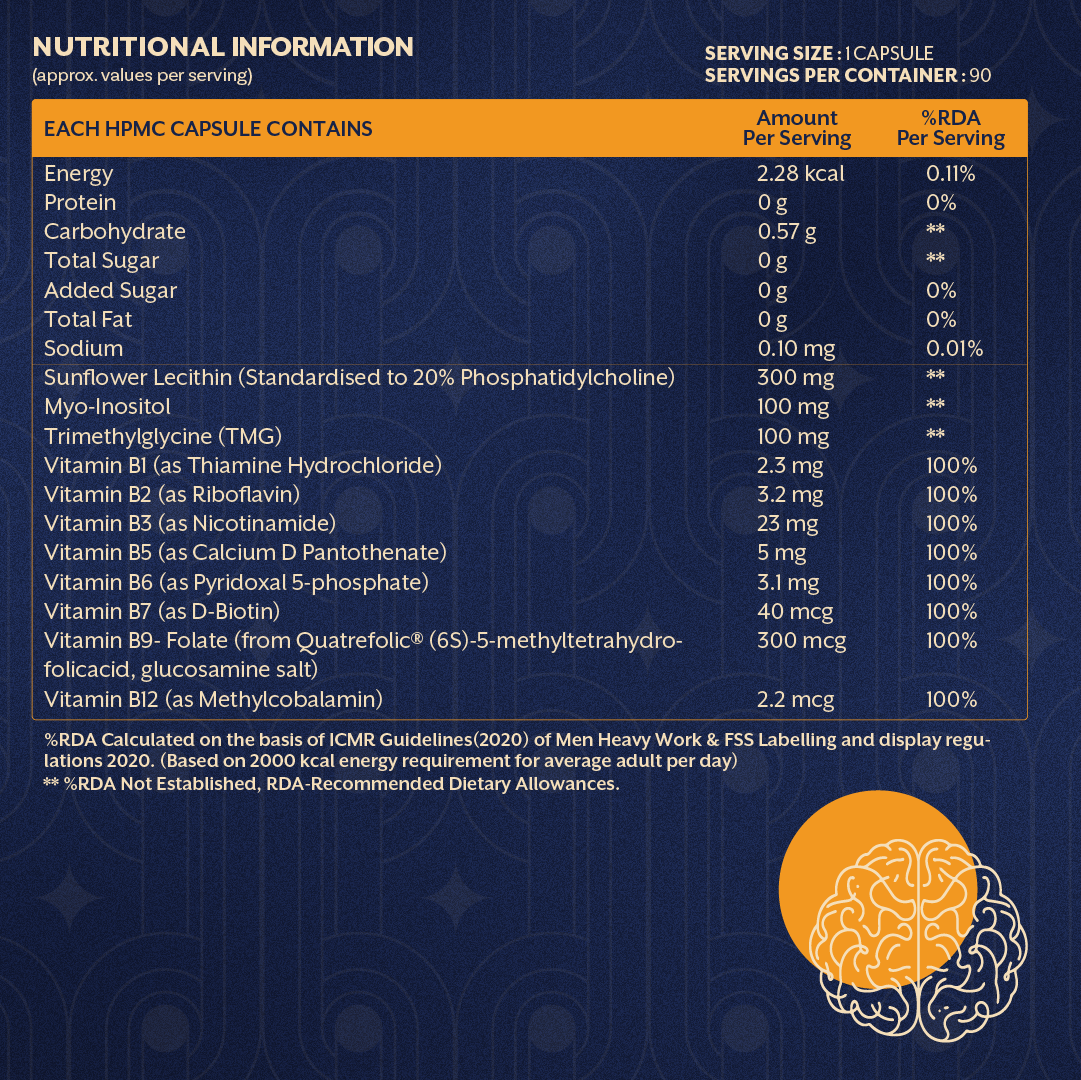
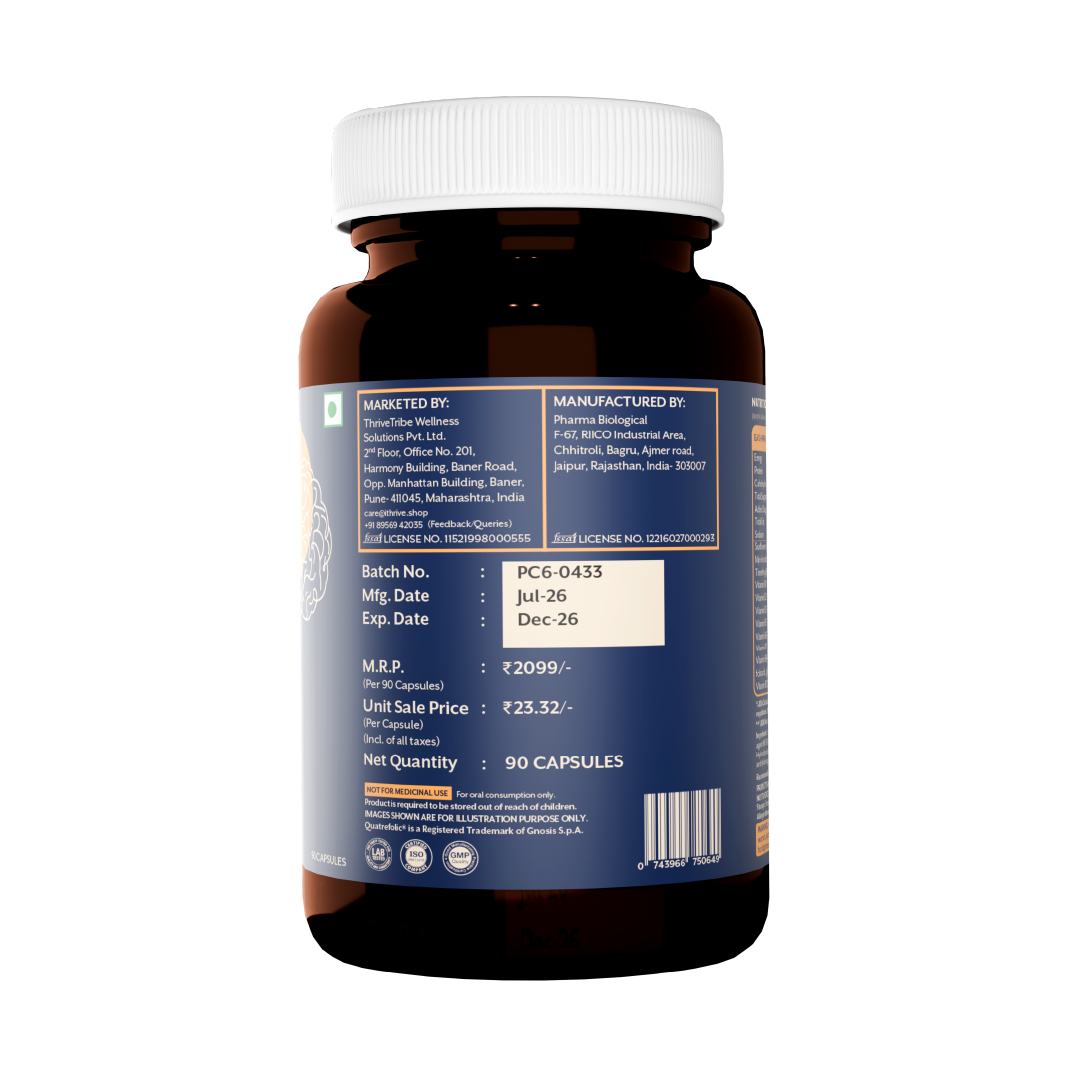
iThrive Active B-Complex is formulated with all 8 B vitamins already in their active, coenzyme forms, including Quatrefolic® active folate (not folic acid) and Methylcobalamin B12 (not cyanocobalamin), so there's no conversion step required. This is the very same pathway that clears homocysteine, which is why active-form B vitamins are commonly used alongside dietary changes when levels run high.
When to get tested?
If you have unexplained fatigue, a family history of heart disease or stroke, or known MTHFR status, ask your doctor about a homocysteine test alongside your B12 and folate levels. Retesting periodically helps confirm whether dietary and supplement changes are working or not.

Written by Mugdha Pradhan



1 comment
Thanks for sharing this information. For readers exploring traditional wellness products, this Shilajit resin option from Green Milk Concepts may be worth checking out.
Shilajit resin
Leave a comment
This site is protected by hCaptcha and the hCaptcha Privacy Policy and Terms of Service apply.