
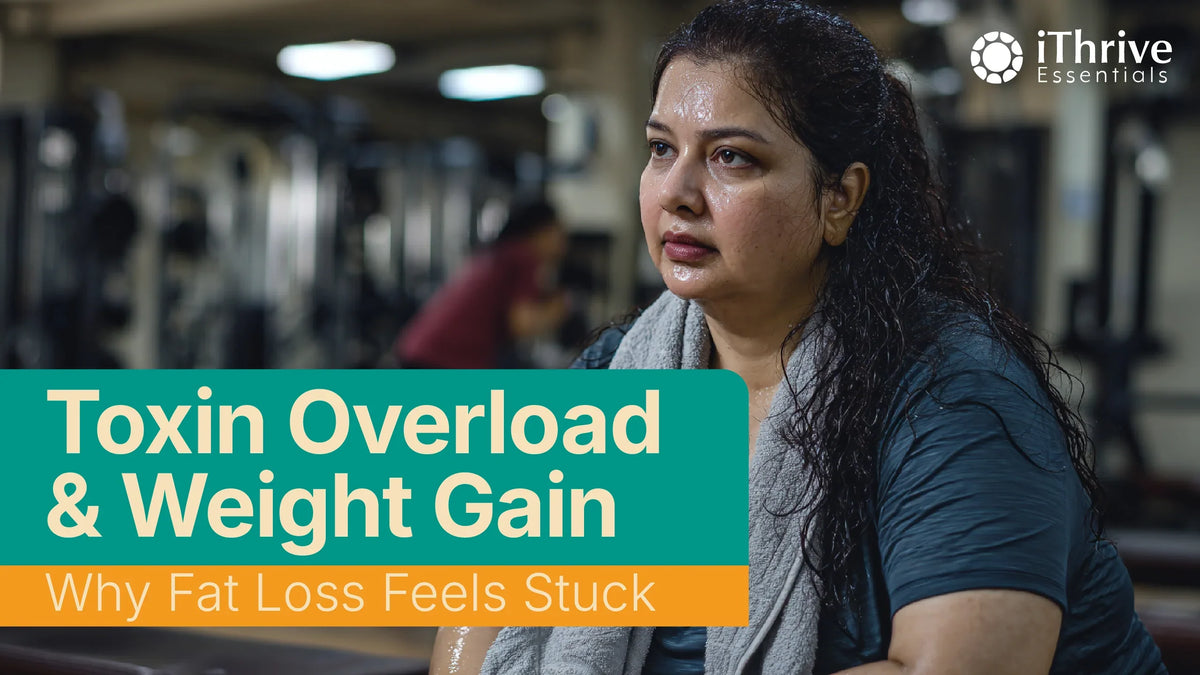
Toxin Overload: The Hidden Reason Behind Stubborn Weight and Low Energy
Do you get these questions in your mind:
Why do I feel tired even after enough sleep?
Why is my weight stuck no matter what I try?
Why do I feel bloated, heavy, and low on energy most days?
These issues are very common today. And many times, the reason is toxin buildup in the body.
Our daily habits slowly increase the toxic load in the body, often without us realizing it. Packaged and processed foods, plastic containers, environmental toxins, skincare and cleaning products, poor digestion, ongoing stress, and irregular bowel movements all add to this burden. Over time, these toxins accumulate faster than the body can remove them, which overloads the natural detox system.
When the body is busy dealing with toxins, it shifts its focus away from fat burning and energy production. This makes weight loss difficult, lowers energy levels, and leads to stubborn weight that does not respond easily to diet or exercise. In this blog, we will explore where these toxins come from, how they affect weight and energy, and the simple, effective steps that can help remove toxins and support the body’s natural healing process.

What Are Toxins?
Toxins are harmful substances that the body does not need. They can come from outside the body or be created inside the body as waste. Under normal conditions, the body removes these toxins through the liver, gut, kidneys, lungs, and skin.
However, when toxin exposure becomes constant and digestion or elimination is weak, these substances start building up inside the body. Instead of leaving the system, they stay stored in tissues and organs, slowly affecting how the body functions.
Over time, excess toxins interfere with metabolism, hormone balance, digestion, and energy production. This is when people start experiencing fatigue, bloating, brain fog, and stubborn weight.
Where Do Toxins Come From?
In today’s lifestyle, toxin exposure is almost unavoidable. We come in contact with toxins every day, often without realizing it.
1. Food and Water
Packaged and processed foods contain additives and preservatives that increase toxic load. Pesticides on fruits and vegetables and contaminants in water also add to toxin exposure over time.
2. Plastics and Daily-Use Products
Plastic containers and bottles release chemicals, especially when heated. Skincare, makeup, and cleaning products often contain chemicals that enter the body through different ways like inhalation, intake of food in plastic containers and skin. Common Toxins in Household Products | | iTHRIVE
3. Air Pollution
Polluted air exposes the body to harmful particles that enter through the lungs and increase internal inflammation and toxin burden. Environmental toxins and their impact on health | | iTHRIVE
4. Poor Digestion and Elimination
Toxins are not only from outside sources. Poor digestion, constipation, and slow gut movement can create toxins inside the body. When waste is not removed properly, it stays in the gut and harmful substances get reabsorbed back into the system. Over time, these repeated exposures add up and overload the body’s natural detox pathways. Impact of Toxins | | iTHRIVE

What Happens in the Body When Toxins Accumulate?
The body is designed to remove toxins every day. But when the toxic load becomes too high, this system starts to slow down.
1. The Liver Gets Overloaded
The liver is the main detox organ. When it is busy handling excess toxins, it has less capacity to focus on fat metabolism, hormone balance, and blood sugar control. This slows down fat burning and lowers energy levels.
2. Toxins Get Stored in Fat Cells
To protect vital organs, the body stores toxins inside fat cells. This makes the body hold on to fat and resist weight loss. When fat loss starts, toxins may get released back into the bloodstream, which can cause fatigue, headaches, or low energy.
3. Hormones Get Disturbed
Many toxins interfere with hormones. They can slow down the thyroid, increase insulin resistance, raise stress hormones, and disturb estrogen balance. This leads to stubborn weight, mood changes, bloating, and low energy.
4. Gut Health Gets Affected
Excess toxins slow down digestion and gut movement. When toxins are not eliminated through stool, they stay in the gut and get reabsorbed. This increases inflammation and puts more stress on the detox system. Over time, this constant internal stress makes it harder for the body to lose weight and maintain steady energy.
The Truth About Toxins: What’s Hiding in Your Daily Routine | General Health | iTHRIVE
5. Nutrient Deficiencies Increase
When the toxic load in the body is high, the absorption and utilization of essential nutrients like magnesium, B-vitamins, zinc, and antioxidants get affected. The body is forced to use more nutrients to neutralize toxins, leaving fewer nutrients available to support energy production. Over time, this contributes to fatigue, low immunity, cravings, slower metabolism, and difficulty in losing weight even with a healthy diet.
Symptoms of Toxin Overload
- Constant fatigue or low energy
- Brain fog or poor concentration
- Difficulty losing weight
- Stubborn belly fat
- Bloating, gas, or constipation
- Irregular bowel movements
- Skin issues like acne, rashes, or dull skin
- Frequent headaches
- Poor sleep or waking up tired
- Mood swings or irritability
- Hormonal imbalance
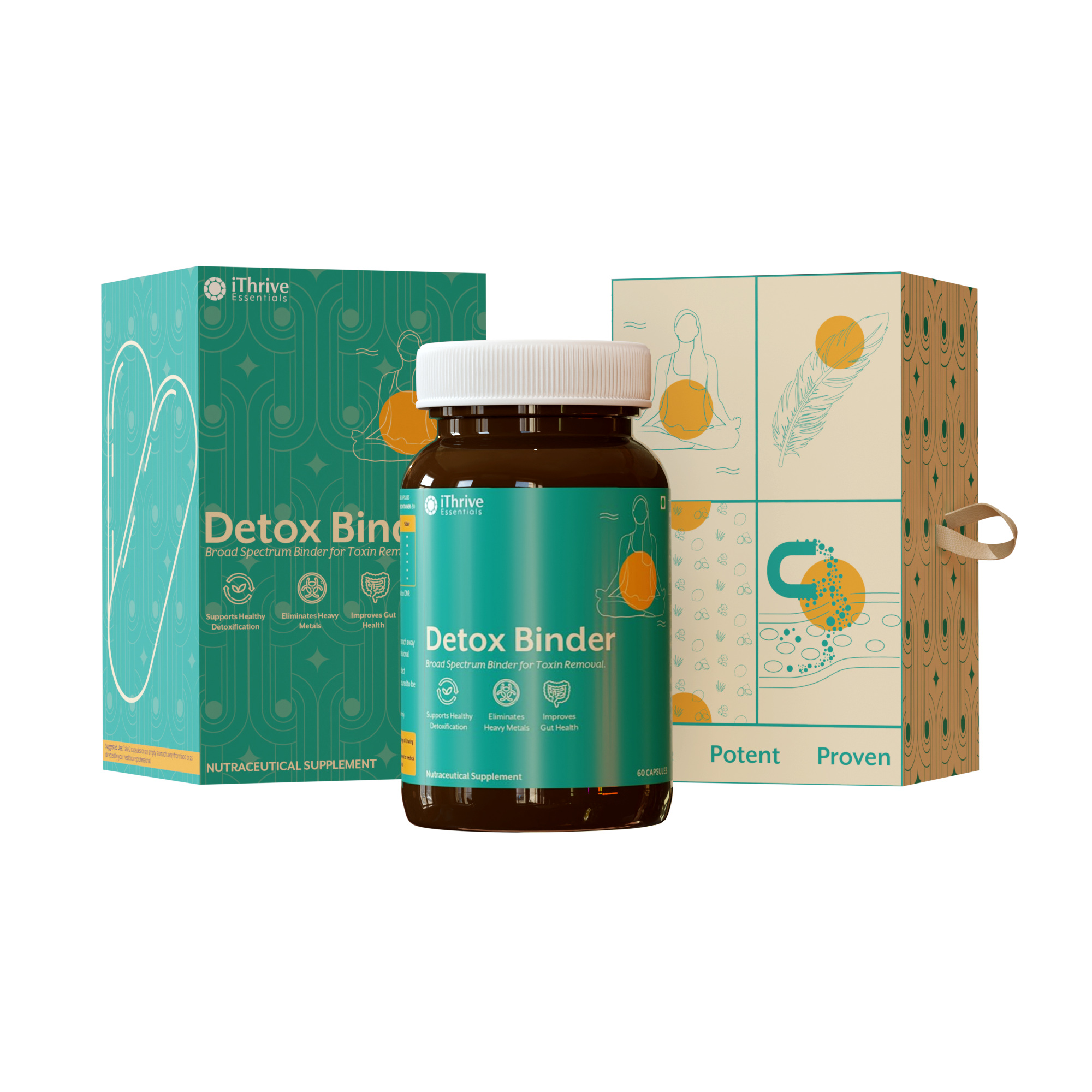
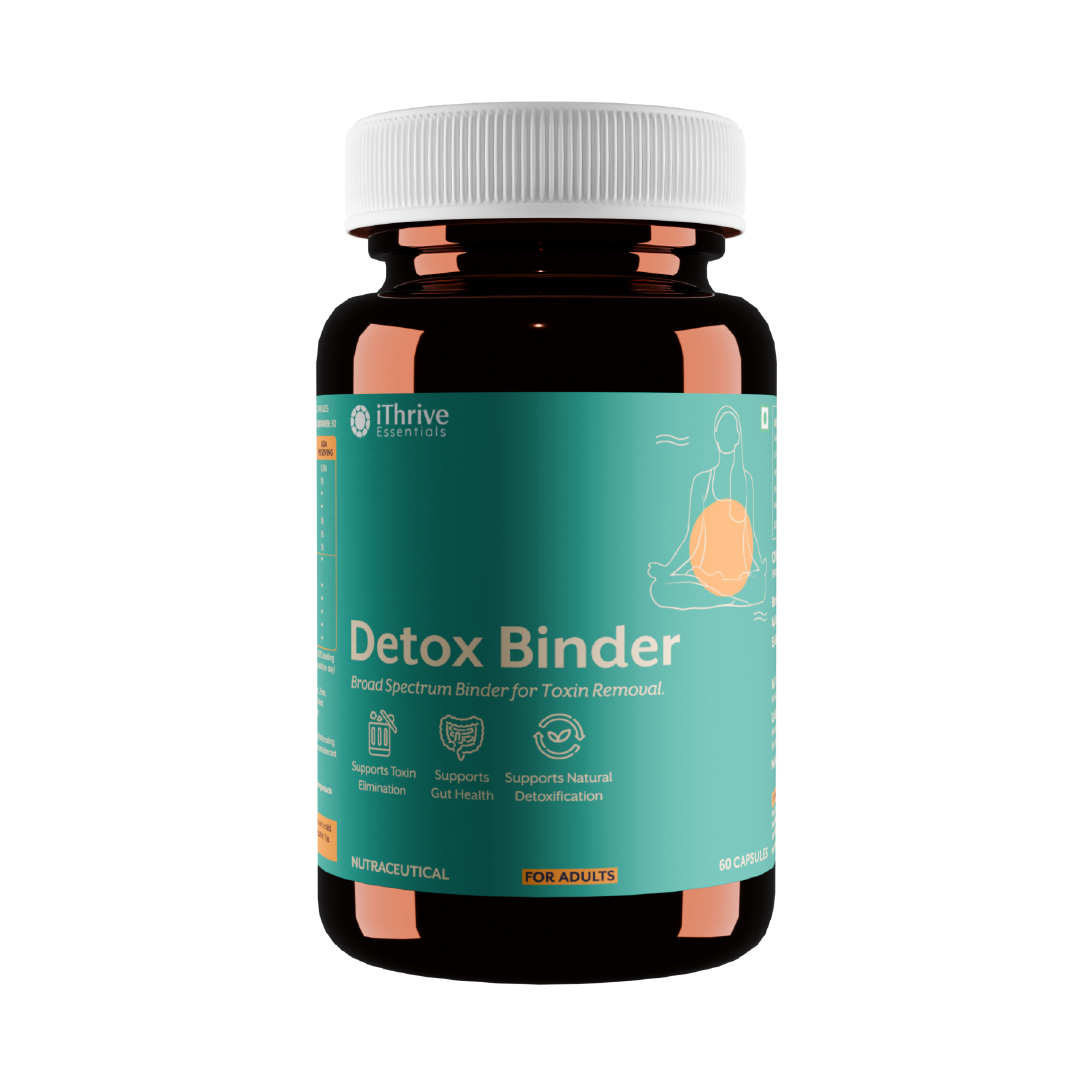
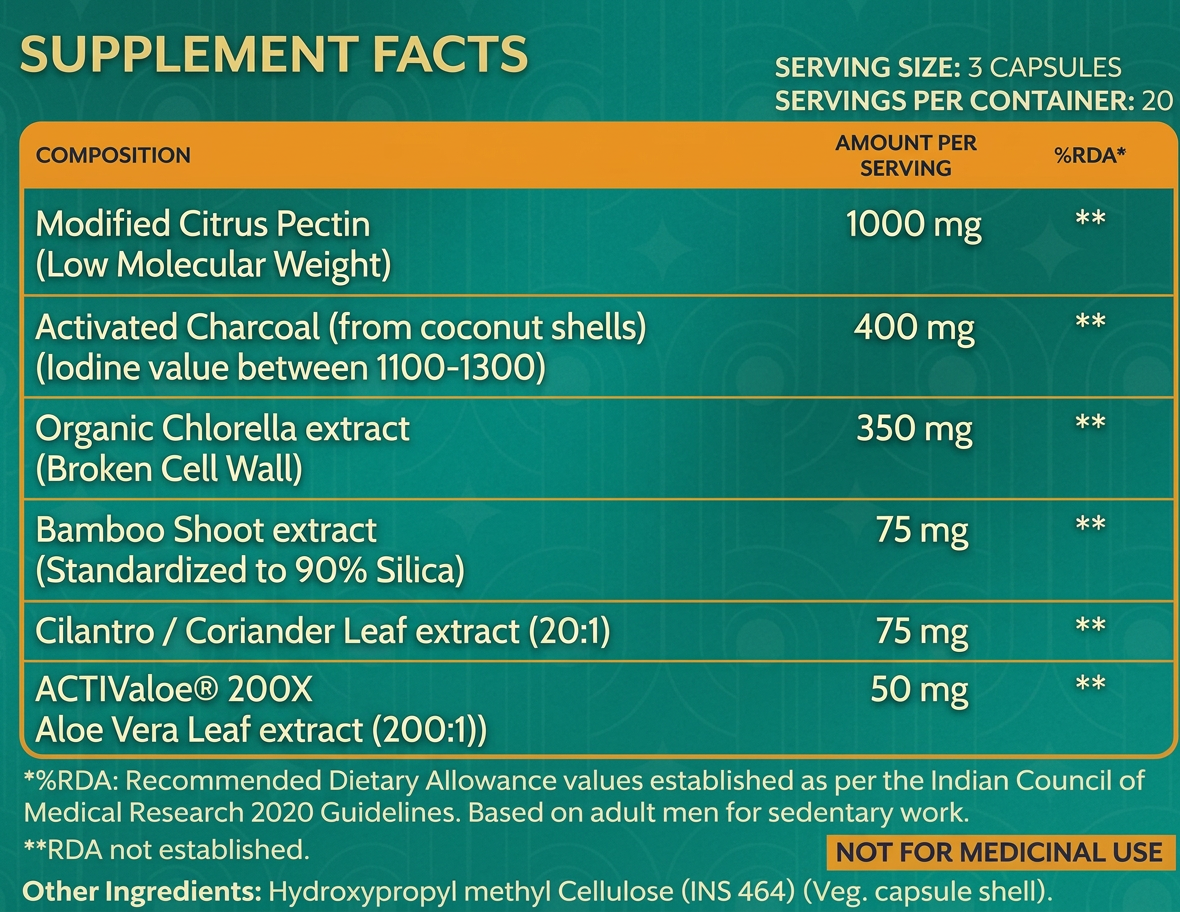
Try iThrive Essentials Detox Binder : A Powerful Supplement to Remove Toxins
iThrive Essentials Detox Binder is designed to support the body’s natural detox process by helping remove toxins safely and effectively.
- Binds toxins in the gut: It works inside the digestive system by binding to toxins and preventing them from getting reabsorbed into the bloodstream.
- Supports liver function: By reducing toxin load, it lowers stress on the liver, allowing it to focus better on fat metabolism and hormone balance.
- Improves gut health and elimination: Better binding and elimination support smoother bowel movements, nutrient absorption and reduce toxin circulation in the body.
- Creates a healthier environment for weight loss: When toxins reduce, the body feels safer releasing stored fat, making weight loss more sustainable.
- Helps improve energy levels: With fewer toxins circulating, the body can focus on energy production instead of constant internal stress.

What You Can Do to Reduce Toxins Naturally
Eat Fresh, Whole Foods
Choose fresh, home-cooked meals made with simple ingredients. Eat more vegetables, fruits, whole grains, good fats, and clean protein. These foods support liver function and reduce the intake of preservatives and chemicals found in packaged foods. Always wash fruits and vegetables well to reduce pesticide residue. Use ozone water to help reduce pesticide residues and surface contaminants before consumption, making produce cleaner and safer to eat. This helps lower the toxic load entering the body every day.
Support Regular Bowel Movements
Make sure you drink enough water throughout the day and include fiber-rich foods like vegetables, fruits, and whole grains. Regular bowel movements help the body remove toxins through stool. When elimination is smooth, toxins leave the body instead of getting reabsorbed back into the system.
Reduce Plastic Exposure
Store food in glass or steel containers. Use steel or glass water bottles instead of plastic ones. These small changes reduce exposure to harmful chemicals released from plastics and lower the overall toxin burden on the body.
Choose Cleaner Personal Care Products
Switch to skincare, makeup, and cleaning products with natural ingredients without any added chemicals, preservatives like SLES, parabens. Read labels and avoid products with strong artificial fragrances. Since the skin absorbs what is applied to it, cleaner products reduce the number of toxins entering the body daily.
Improve Air Quality
Ensure proper ventilation when outdoor air quality is good, and avoid opening windows during high pollution or nearby construction. Using an air purifier indoors can help reduce dust, pollutants, and airborne toxins. Cleaner air supports better oxygen flow, reduces toxin load through the lungs, and helps maintain steady energy levels.
Manage Stress and Improve Sleep
Focus on getting quality sleep every night and practice stress-reducing habits like deep breathing, light movement, or relaxation. Lower stress levels allow the body to move out of survival mode and support proper detox, hormone balance, and repair.
These daily actions reduce toxin intake and help the body remove waste more effectively, creating a healthier environment for weight loss and energy.

Conclusion
Stubborn weight, constant fatigue, and low energy are not always about eating less or exercising more. Many times, they are signals that the body is overloaded and struggling to cope with an excess of toxins. When detox pathways are burdened, the body shifts into survival mode holding on to fat, slowing metabolism, and conserving energy instead of healing.
By reducing daily toxin exposure, supporting digestion and elimination, and giving the body the right tools to remove toxins safely, you create an internal environment where healing can truly begin. Weight loss becomes easier, energy levels improve, and the body feels lighter and more balanced from within.


Leave a comment
This site is protected by hCaptcha and the hCaptcha Privacy Policy and Terms of Service apply.