
Read a Supplement Label Like a Nutritionist
By: Mugdha Pradhan
The Back of the Bottle Is Where the Truth Lives
The front of a supplement bottle is advertising: bold fonts, health claims, aspirational imagery. The back is the clinical record. That is where you find out what you are actually swallowing, how much of it your body can use, and what else got packed into the capsule alongside it.
Label literacy has never mattered more for Indian consumers. India's supplement market was valued at ₹575 billion in 2025 and is projected to reach roughly ₹2.5 trillion by 2035, according to Expert Market Research. Yet FSSAI does not require pre-market approval for most supplements, meaning no regulatory body verifies what is on the label before the product reaches your shelf. You are, effectively, your own regulator.
The scale of the problem is significant: 82% of weight-loss supplements tested in studies showed inaccurate labelling. The problem extends well beyond weight-loss products, but the figure illustrates how wide the gap between label promise and bottle reality can be.
At iThrive Essentials, our formulations come directly from clinical protocols refined over 10+ years and 6,000+ health journeys in the iThrive ALIVE functional nutrition practice. We read labels the way a clinician reads a blood report. Here is how you can do the same.
A nutritionist checks four zones on every label: ingredient form, dose integrity, branded actives verification, and the 'Other Ingredients' section. Once you know what to look for, the whole process takes under two minutes. This is a skill, not a chore.
Step 1 is Ingredient Form: The Single Most Important Thing on the Label
The chemical form of an ingredient determines how well your body absorbs it. Two supplements can list the same nutrient at the same dose and deliver wildly different results. According to Superior Formulas, ingredient forms can differ in bioavailability by up to 20 times.
Magnesium is the clearest teaching example. A label reading "Magnesium 400 mg" with no form specified is almost always magnesium oxide, the cheapest option, with roughly 4% bioavailability. That means your body absorbs only about 16 mg from a 400 mg dose. You are paying for 400 mg but getting the benefit of 16 mg.
Contrast that with magnesium glycinate (also called bisglycinate). Absorption rates are dramatically higher and GI side effects like loose stools are far less common. The tell: brands using glycinate always name it explicitly on the label. Brands using oxide tend to hope you do not ask.
This principle extends across the supplement facts panel:
- Vitamin D3 (cholecalciferol) is significantly more effective at raising long-term blood levels than the cheaper D2 form, as noted by Total Wellness Guide.
- Methylcobalamin (B12) is the pre-activated form your body uses immediately. Cyanocobalamin requires conversion steps and contains a cyanide molecule your liver must detoxify.
- Iron bisglycinate (often branded as Ferrochel®) absorbs 2–4x better than ferrous sulfate, with far fewer GI side effects.
- Zinc picolinate or zinc bisglycinate outperforms zinc oxide or zinc sulfate in absorption studies.
A subtlety that trips up even informed buyers is the elemental dose vs. salt weight trap. A label reading "Iron bisglycinate 140 mg" may provide only 28 mg of elemental iron. The 140 mg is the weight of the entire compound (iron bonded to glycine molecules). The 28 mg is the actual iron your body can use, and that is the number that matters clinically as the number that maps to your RDA.
The rule is simple: if the form is not named, assume the manufacturer chose the cheapest option. When comparing prices, stop thinking in terms of cost-per-capsule and think instead in terms of cost-per-absorbed-milligram. A ₹300 bottle of magnesium oxide may cost more per unit of absorbed magnesium than a ₹700 bottle of magnesium bisglycinate. The "cheaper" supplement is often the expensive one.
The MTHFR Factor: Why B-Vitamin Forms Are a Health-Critical Choice for Indian Consumers
Folic acid is the synthetic, unactivated form of vitamin B9 found in most mass-market multivitamins. Your body must convert it through multiple enzymatic steps to reach the active form, 5-MTHF (5-methyltetrahydrofolate). For many people, this conversion works poorly or barely works at all.
The reason is a common genetic variant called MTHFR C677T. The homozygous form causes a 70% reduction in the enzyme responsible for converting folic acid. According to CDC data, 35–50% of the general population carries at least one copy of this variant. Among Asians, approximately 11% carry the homozygous form.
This is not a niche concern for Indian consumers. A significant portion of the population taking standard folic acid supplements may be getting near-zero benefit from them, swallowing a capsule daily and receiving almost nothing in return.
What to look for on the label: L-5-Methyltetrahydrofolate, 5-MTHF, Quatrefolic®, or Metafolin®. These are the active, ready-to-use forms that bypass the MTHFR conversion bottleneck entirely.
The same logic applies to B12. Methylcobalamin is immediately usable. Cyanocobalamin requires conversion and carries a cyanide molecule that must be detoxified. For people with MTHFR variants, choosing the wrong form is not a minor inefficiency. It can mean zero therapeutic benefit from a supplement taken every single day.
Step 2 is to look for Branded Actives: What a Trademark Actually Tells You (and What It Doesn't)
You have probably seen trademarked ingredient names on supplement labels: KSM-66®, Creapure®, Albion® TRAACS, Quatrefolic®, Ferrochel®, BioPerine®, Magtein®. These are branded actives, patented ingredient forms that carry their own clinical trial data. As GreenPharm explains, they signal a higher standard of substantiation than generic alternatives.
The critical nuance: a trademark alone does not guarantee the product is effective. The question that actually matters is whether the branded form is dosed at the level used in its clinical trials.
Take KSM-66 ashwagandha. From our direct formulation experience at iThrive Essentials, KSM-66 is roughly a 10:1 extract. The clinically studied dose is 600 mg of the extract itself. Some brands list "60 mg KSM-66" on the label, which is the equivalent of only 600 mg of raw plant material, not 600 mg of the concentrated extract. They are exploiting the confusion between extract weight and raw material weight. According to Innerbody, this is a widespread tactic.
Then there is the proprietary blend problem. As of a January 2026 NIH Dietary Supplement Label Database bulk data release, 51,642 supplement products use blend label rows that conceal individual ingredient amounts. Legally, ingredients within a blend must be listed in descending order by weight. If an expensive branded ingredient appears last in a 500 mg proprietary blend, it is almost certainly present in a token amount, nowhere near its clinically studied dose.
Apply this three-question verification test every time you see a branded active on a label:
- Is the branded form named explicitly? (Not just "ashwagandha extract" but "KSM-66® ashwagandha extract.")
- Is the dose consistent with the dose used in clinical trials for that branded ingredient?
- Is it listed outside a proprietary blend, or buried within one?
According to the Vitamin Shoppe 2026 Health & Wellness Trends Report, nearly two-thirds of consumers trust trademarked ingredients over generics. That trust is warranted only when dosing is verified. Without verification, a trademark is just a logo.
Herbal Extracts and the 'Standardized to X%' Rule
"Standardized to X%" is the phrase that makes an herbal extract meaningful on a label. Without it, the concentration of active compounds could be anything, and comparing doses across products becomes impossible.
This matters enormously for Indian and Ayurvedic herbs. Ashwagandha, turmeric (curcumin), holy basil, and boswellia are all commonly sold in India with widely varying extract concentrations.
A concrete example: a product listing "500 mg ashwagandha root powder" is not equivalent to "500 mg KSM-66 ashwagandha extract standardized to 5% withanolides." The first is raw, unprocessed powder with an unknown concentration of active compounds. The second delivers a defined, clinically relevant amount of withanolides in every dose.
When checking herbal supplements, look for two things: the standardization percentage and the marker compound. For ashwagandha, that is withanolides. For turmeric, curcuminoids. For boswellia, boswellic acids. If neither the percentage nor the marker compound is listed, you have no way to evaluate what you are getting.
Indian Ayurvedic supplement blends are particularly prone to omitting standardization data. FSSAI's 2026 labelling reforms are beginning to address this gap, but until mandatory rules are enforced, the responsibility falls on you to check.
Step 3 is Serving Size and Dose Integrity: The Math That Brands Hope You Skip
This is where brands get creative with perception. A bottle labelled "60 servings" sounds like a two-month supply. But if each serving requires 4 capsules, that bottle contains 240 capsules. At 4 capsules per serving taken twice daily, you have 30 doses total which means 15 days of supply. That is a 75% reduction in perceived value.
Always do the capsule-per-day calculation. Divide total capsules by capsules-per-serving to find your actual day supply. Then divide the price by the day supply. That is your true daily cost, and it is the only honest basis for comparing products.
Under-declared elemental doses add another layer to this problem. A label reading "Magnesium bisglycinate 500 mg" sounds generous, but the elemental magnesium content may be only 100 mg. The rest is the glycine molecule bonded to the magnesium. The elemental figure is what maps to clinical research and RDA values. Without it, you cannot assess whether the dose is therapeutic.
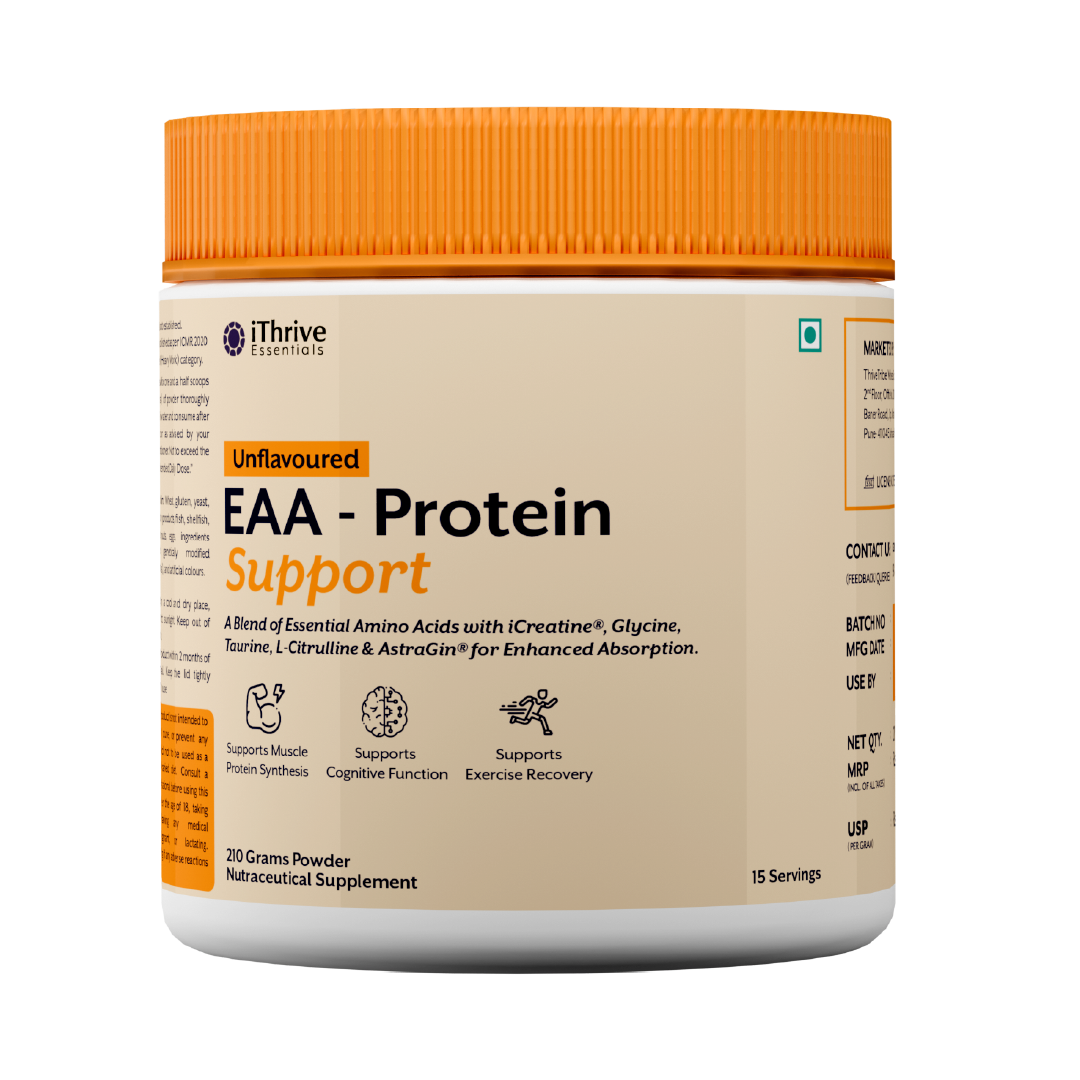
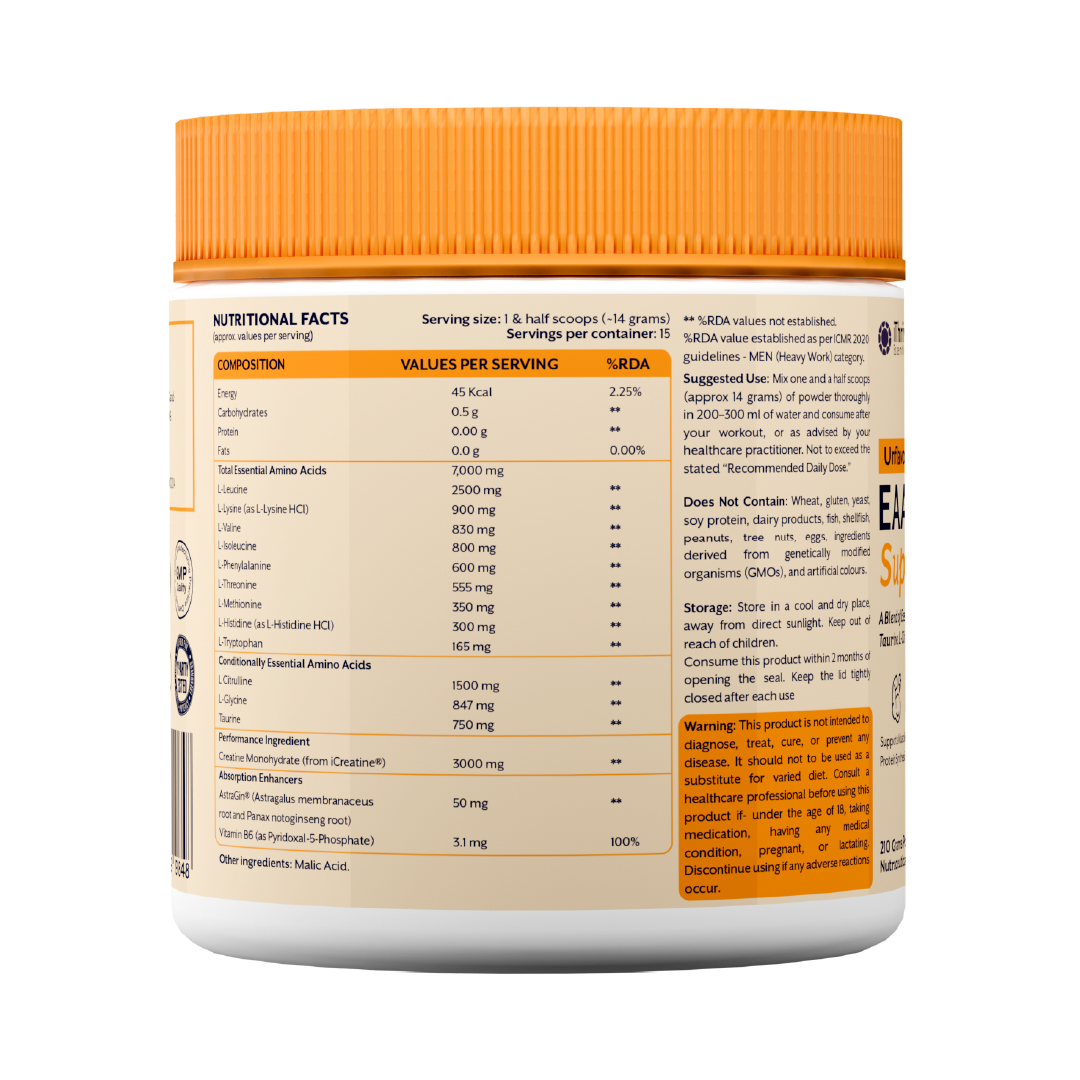
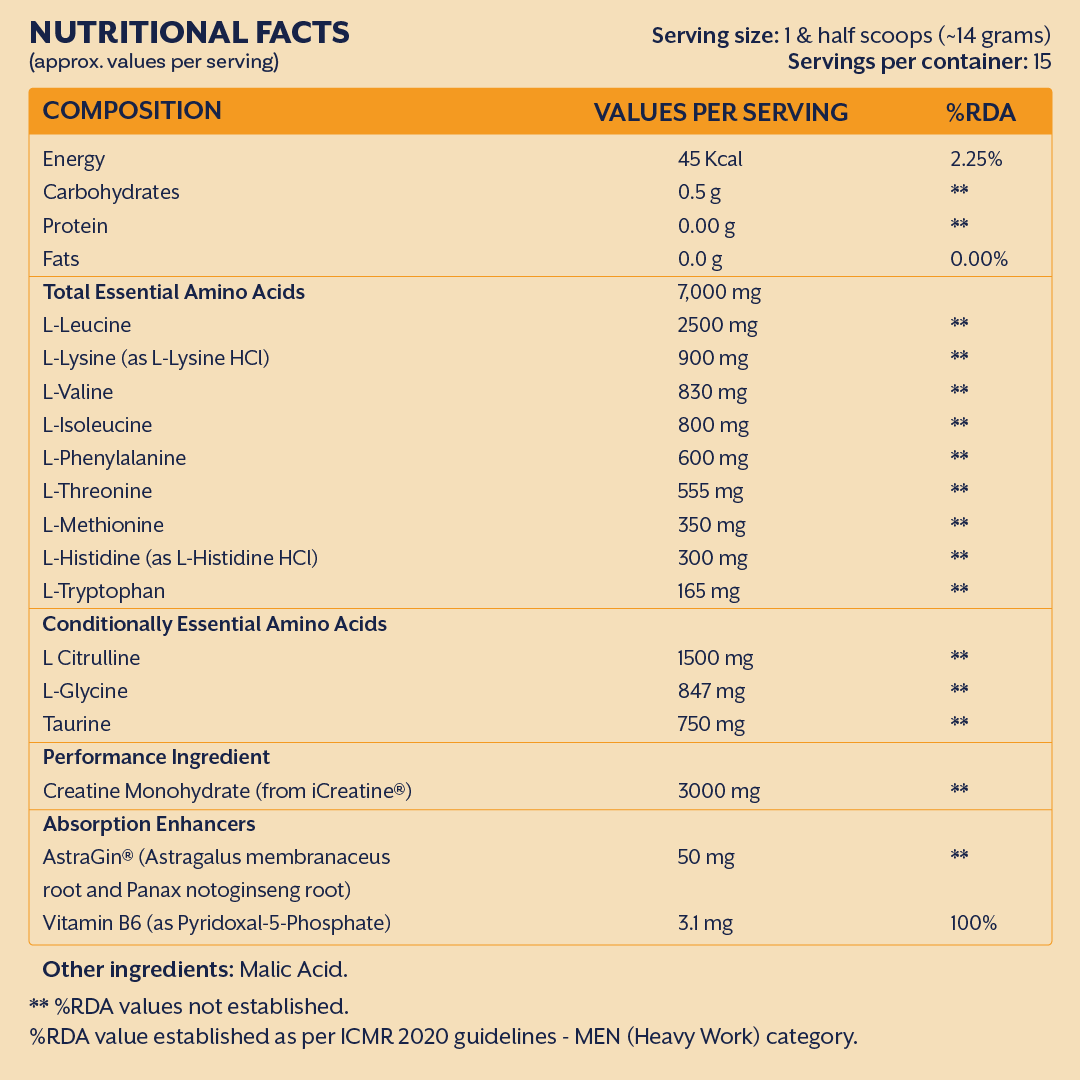
At iThrive Essentials, we list both the ingredient form and the elemental dose explicitly on every label. This is not a marketing decision. It is the formulation transparency standard our clinical practice was built on. If a label does not distinguish between salt weight and elemental content, ask why.
One more trap: the phrase "clinically studied." This claim can legally refer to studies on a different dose, a different form, or a different population than what is in the bottle you are holding. A product containing 100 mg of an ingredient can say "clinically studied" if the ingredient was studied at 500 mg in a different product. Always cross-check the study dose against the label dose for the specific branded form listed.
Step 4 is the 'Other Ingredients' Section: A Nuanced Red Flag Guide
Most label-reading guides treat every excipient as a red flag. That is neither accurate nor helpful. The goal is to distinguish genuinely concerning additives from benign manufacturing necessities. Here is how a nutritionist categorises them.
Category 1 - Genuinely harmful. Avoid these:
- Titanium dioxide: Used as a whitening agent in tablet coatings. The European Food Safety Authority (EFSA) concluded in 2021 that it can no longer be considered safe as a food additive, with research linking it to gut microbiome disruption.
- Artificial dyes (Red 40, Yellow 5, Yellow 6, Blue 1): Zero nutritional purpose. The FDA banned Red No. 3 in January 2025 after decades of evidence linking it to thyroid tumours.
- Hydrogenated oils: Trans fats used as tablet lubricants. No place in a health product.
- Talc from unverified suppliers: May contain trace asbestos, according to Enhanced Labs. Reputable manufacturers verify sourcing through third-party testing.
- Maltodextrin in probiotics: Research shows it can harm gut bacteria, directly undermining the product's core purpose.
Category 2 - Benign manufacturing excipients. Not a concern:
- HPMC (hydroxypropyl methylcellulose) capsules: Plant-based and inert. This is simply the capsule shell.
- Rice flour as a capsule filler at trace levels.
- Silicon dioxide at trace levels as an anti-caking agent.
- Magnesium stearate at standard levels. The evidence against it is weak and dose-dependent; at the amounts used in supplements, it poses no meaningful risk.
Category 3 - Context-dependent:
- Maltodextrin in non-probiotic supplements at low levels (less concerning than in probiotics).
- Natural flavors (quality varies widely by source and manufacturer).
Here is the India-specific context: FSSAI's 2026 front-of-pack warning label push signals that Indian regulators are beginning to act. But until mandatory rules are enforced, consumers must self-screen the 'Other Ingredients' list. According to industry data, clean-label products command a 15% price premium which is a signal that the market is already rewarding transparency.
Third-Party Testing and Batch Documentation: The Final Trust Signal
Third-party testing verifies that what is printed on the label is actually in the capsule at the stated dose. It also confirms the product is free from heavy metals, microbial contamination, and undeclared substances. Without it, you are trusting the manufacturer's word alone.
The data is compelling. According to research cited by Eu Natural, brands providing batch-specific testing documentation achieve 89% brand loyalty rates, compared to 32% for untested products.
For Indian consumers, there is a practical gap to navigate. USP, NSF International, and Informed Sport are US/EU-centric certifications not always accessible or relevant for Indian-manufactured products. Instead, look for NABL-accredited lab testing, ISO-certified manufacturing facilities, and batch-specific Certificates of Analysis (CoAs) available on request.
One important caveat: every bioavailability claim on a label assumes normal gut function. If you are dealing with H. pylori, dysbiosis, low stomach acid, or inflammatory gut conditions, you may absorb significantly less than the label implies. This is where clinical guidance becomes especially important, and why our iThrive ALIVE practice exists alongside our supplement line.
The practical check is straightforward: ask the brand for a CoA for the specific batch number printed on your bottle. A brand that cannot or will not provide one is a brand to avoid.
Your Two-Minute Label Audit: A Nutritionist's Checklist
Here is everything covered above, consolidated into a checklist you can run through in under two minutes the next time you pick up a supplement bottle.
- Ingredient form: Is the form named? Is it a high-bioavailability form (glycinate, citrate, methylated, D3, picolinate)? If no form is listed, assume the cheapest option.
- Elemental dose: Does the label distinguish between salt weight and elemental mineral content? The elemental number is the one that matters.
- Branded actives: Is the branded ingredient named explicitly, dosed outside a proprietary blend, and at the dose used in its clinical trials?
- Herbal extracts: Is the extract standardised to a defined percentage of a named marker compound (withanolides, curcuminoids, boswellic acids)?
- Serving size math: How many capsules per serving? How many actual days does the bottle provide at the recommended dose? Divide price by day supply for the true cost.
- Other Ingredients: Are any genuinely harmful additives present (titanium dioxide, artificial dyes, talc, hydrogenated oils, maltodextrin in probiotics)?
- Testing documentation: Is a Certificate of Analysis available for this specific batch?
Seven checks. Under two minutes. This is the difference between a supplement that delivers what it promises and one that costs money while doing nothing or worse, causing harm.
At iThrive Essentials, we built our labels to pass this exact audit. Every ingredient form is named. Every elemental dose is declared. Every branded active is dosed at its clinically studied level. No proprietary blends. No fillers. We formulate from clinical protocols, not cost sheets.
Your health decisions deserve the same rigour you would expect from a prescription. The label is where that rigour starts.
Sources
- Expert Market Research — India Dietary Supplements Market Size, Growth Outlook 2035
- Kudu Nutrition — Nutritional Transparency in Supplements: What to Know in 2026
- Clean Lifestyle Directory — How to Read Supplement Labels: What to Look For & What to Avoid
- Total Wellness Guide — Bioavailable Supplements: The Ultimate Guide to Nutrient Absorption
- PMC/NCBI — Variations in Folate Prescriptions for Patients with MTHFR Genetic Polymorphisms
- CDC — MTHFR Gene Variant and Folic Acid Facts
- GreenPharm — Branded vs. Generic Ingredients: What Supplement Brands Should Know
- Supplement Brief — How to Read a Supplement Label: The 90-Second Checklist Before You Buy
- Nutraceuticals World — Validation and Evidence Key to Consumer Trust (2026 State of the Industry)
- The ASPKOM — India's New Nutrition-Labeling Era: FSSAI's Warning-Label Push (2026)
- The Longevity Store — How to Read a Supplement Label: Ingredients, Doses, and Red Flags
- BioPhysics Essentials — How to Read Supplement Labels to Avoid Hidden Fillers
- WiFi Talents — Marketing in the Supplement Industry: 2026 Verified Stats






Leave a comment
This site is protected by hCaptcha and the hCaptcha Privacy Policy and Terms of Service apply.