
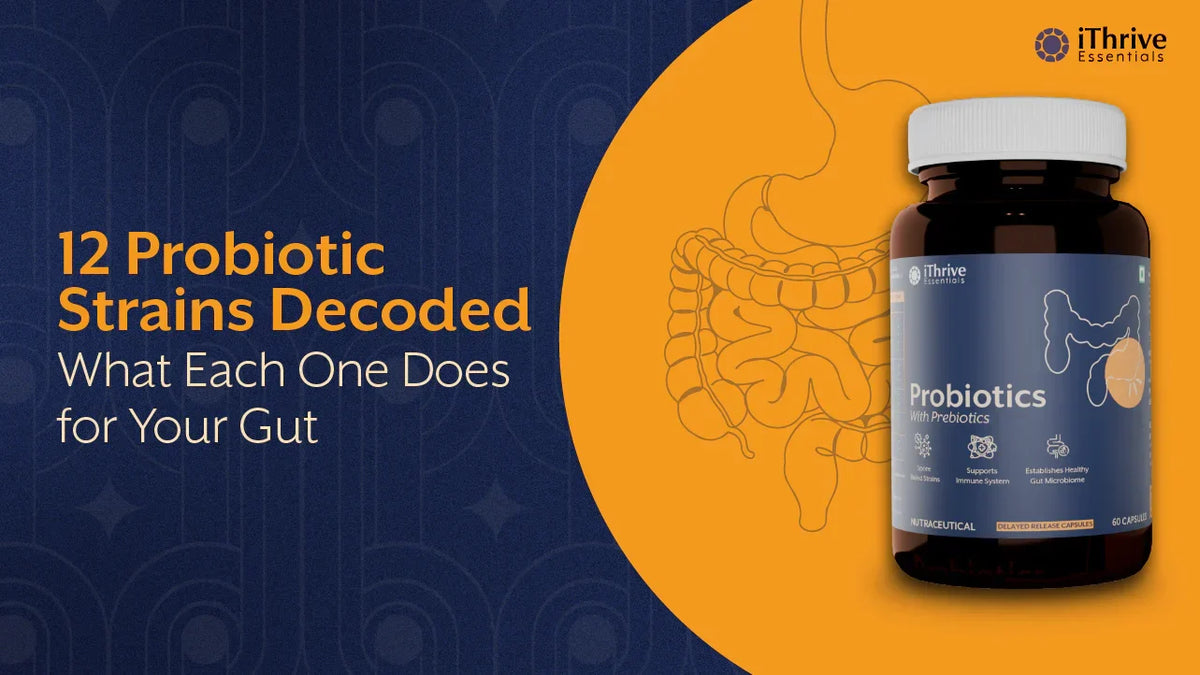
Your Probiotic Has 12 Strains in It. Do You Know What Each One Actually Does?
Introduction
Most people picking up a probiotic supplement spend about thirty seconds reading the label. They look at the CFU count, maybe clock the brand name, and put it in the cart. And honestly, who can blame them? The label reads like a biology exam such as Lactobacillus rhamnosus GG, Bacillus coagulans, Saccharomyces boulardii, Bifidobacterium lactis. It is a lot of Latin for something you are swallowing every morning.
But here is the thing. Those strain names are not decorative. Each one does something specific inside your gut that the others cannot. A probiotic with twelve strains is not just "stronger" than one with two, it is doing twelve different jobs simultaneously. And if you do not know what those jobs are, you cannot know whether your supplement is actually addressing what your gut needs.
This is what decoding probiotic strains actually means. Not memorising Latin. Just understanding what each strain was chosen for, and why a formula that combines probiotics with prebiotics gets results that a single strain supplement never will.
What Are Probiotic Strains and How Do They Work?
Before getting into the individual strains, it helps to understand what we mean by a "strain" in the first place. Most people know probiotics are live bacteria that support gut health. But bacteria are not generic. Within every species, there are hundreds of individual strains, each with a distinct genetic identity and a distinct set of functions.
Think of it like this. Saying "Lactobacillus" is like saying "dog." Saying "Lactobacillus rhamnosus GG" is like saying "Golden Retriever, 3 years old, trained for search and rescue." Same genus. Very different capabilities.
Probiotic strains work by colonising the gut, competing with harmful bacteria for space and resources, producing short chain fatty acids that feed the gut lining, modulating immune activity, and regulating how quickly food moves through the digestive tract. But each strain has its own mechanism, its own preferred location in the gut, and its own documented clinical outcomes.
This is why the best probiotic strains for gut health are not just about high CFU counts. A supplement with 50 billion CFU of one mediocre strain will not outperform a formula with clinically validated strains working across different parts of the gut simultaneously.
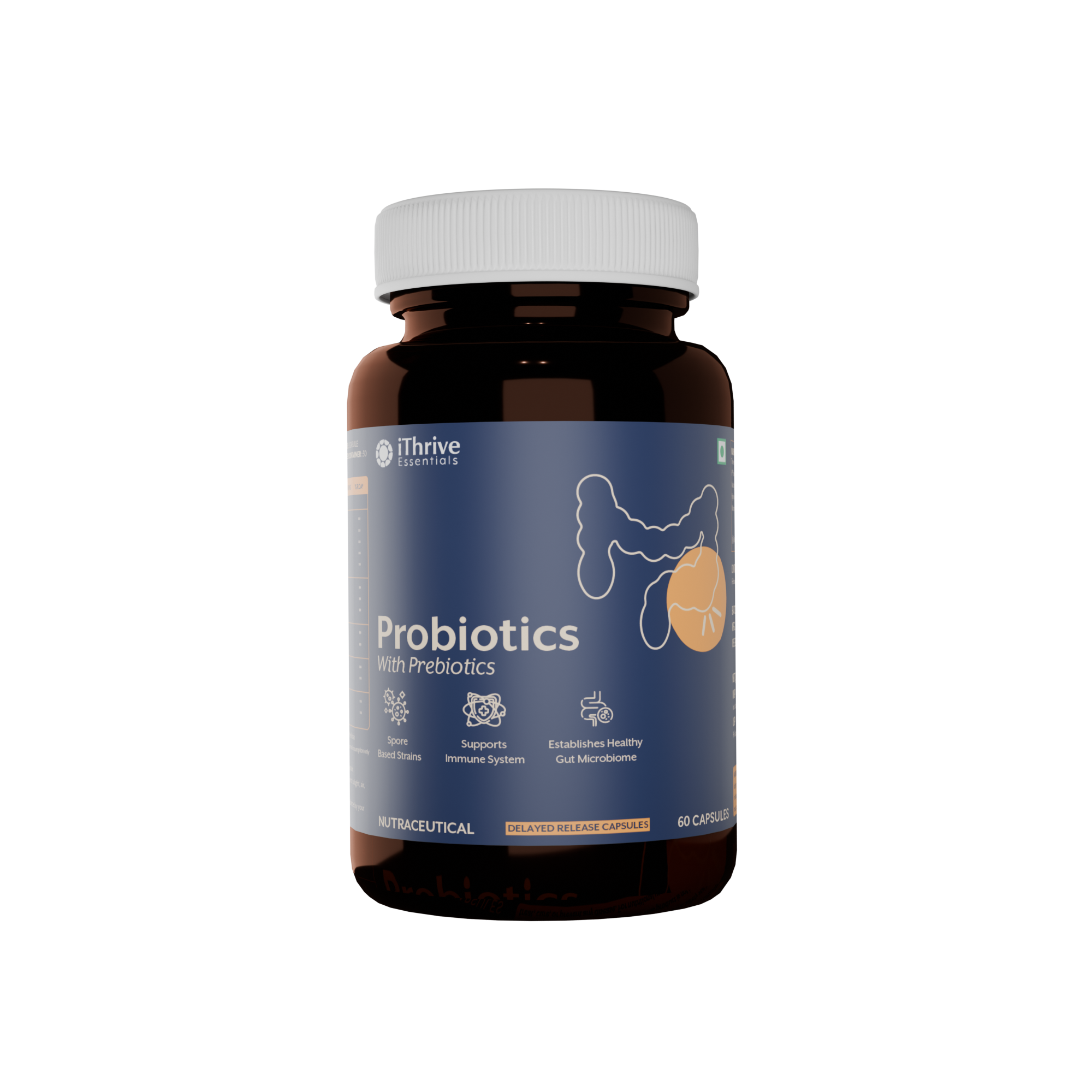
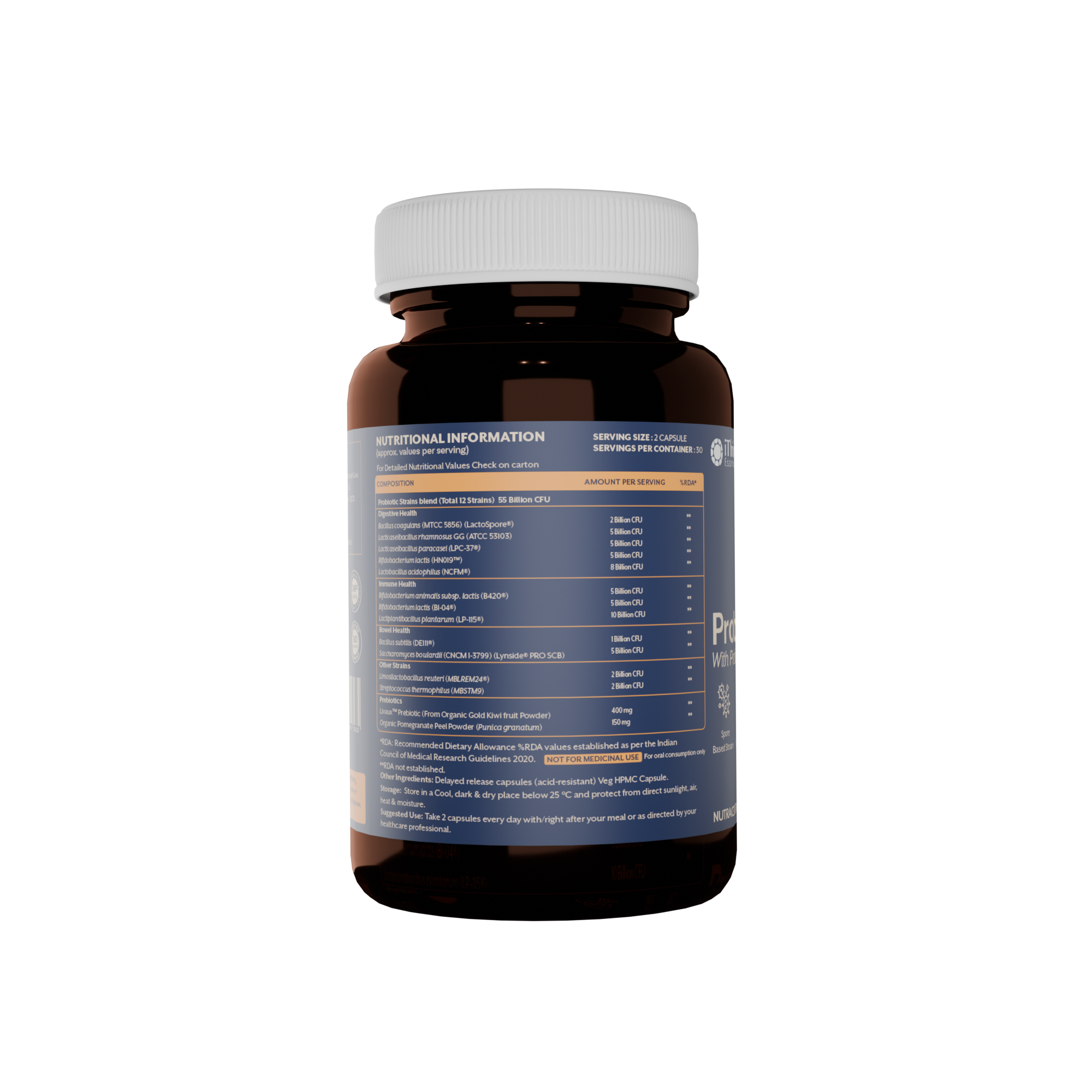
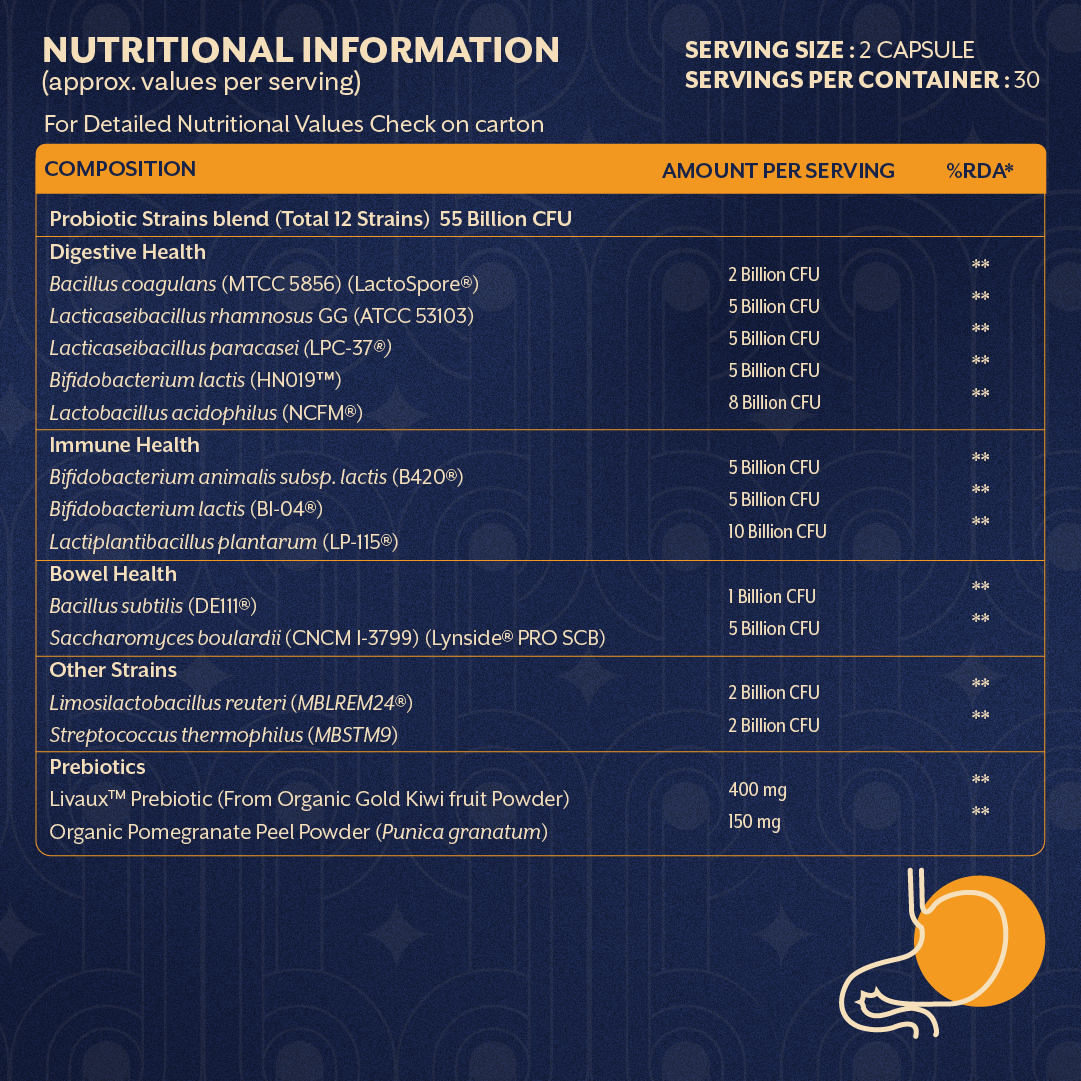
The new iThrive Essentials Probiotics with Prebiotics is built on this principle. Delivering 55 billion CFU across 12 clinically studied strains that are encapsulated in acid-resistant, delayed-release capsules that protect every strain through the stomach for optimal intestinal delivery - each strain was selected for a specific, documented role in digestive health, immunity, and microbiome resilience. Here is what each one actually does.
Breaking Down the 12 Strains in the iThrive Essentials Formula

1. Bacillus Coagulans (MTCC 5856) LactoSpore® - The Survivor Strain
Why It Is in the Formula
Most probiotic bacteria are fragile. They die in stomach acid before they even reach the intestine. Bacillus coagulans are different. It is a spore-forming bacterium, which means it travels through the hostile, acidic environment of the stomach in a dormant protective shell, then activates once it reaches the more favourable conditions of the small intestine.
What the Research Shows
Bacillus coagulans benefits are among the most well-documented in IBS research. A 2023 network meta-analysis found that Bacillus coagulans MTCC 5856 ranked among the top performers for reducing abdominal pain in IBS patients, further outperforming many of the more widely recognised Lactobacillus strains. It is also one of the top three strains for reducing abdominal bloating, which is the symptom most people are trying to address when they search for the best probiotic strains for bloating and digestion.
Beyond IBS, Bacillus coagulans support protein absorption, reduce gut inflammation, and help stabilize the composition of the microbiome following dietary disruptions. For anyone dealing with irregular digestion, discomfort after meals, or persistent bloating, this strain is doing foundational work.
2. Bacillus Subtilis (DE111®) - The Pathogen Crowder
Why It Is in the Formula
Bacillus subtilis is the second spore-forming strain in the formula, and its primary role is protective. Like Bacillus coagulans, it forms spores that survive gastric acid intact. Once it reaches the intestine, it competes directly with pathogenic bacteria for colonisation space, effectively crowding out harmful microorganisms before they can take hold.
What the Research Shows
Clinical trials with DE111® demonstrate its ability to displace pathogens like Clostridioides difficile and support healthy microbiome diversity in both children and adults. It also supports immune function through its interaction with gut-associated lymphoid tissue, making it one of the more quietly important strains in the formula for people who experience frequent infections or post-antibiotic gut disruption.
The Lactobacillus Strains - Small Intestine and Immune Support
3. Lacticaseibacillus Rhamnosus GG (ATCC 53103) - The Most Studied Strain in the World
Why It Is in the Formula
Lactobacillus rhamnosus GG, often abbreviated as LGG, has more clinical research behind it than almost any other probiotic strain in existence. It has been studied for diarrhoea, antibiotic-associated gut disruption, childhood gut health, immune response, and intestinal barrier integrity across hundreds of independent trials.
What the Research Shows
Lactobacillus rhamnosus GG benefits centre primarily on gut barrier function and immune modulation. It strengthens the tight junctions between intestinal cells, reducing intestinal permeability, the condition commonly referred to as leaky gut. It also stimulates mucus secretion along the intestinal wall, adding a physical layer of protection between gut contents and the bloodstream. When the gut lining is compromised, bacterial endotoxins can pass into the bloodstream and trigger systemic inflammation. LGG helps prevent this.
For anyone on antibiotics, LGG is the single most evidence-supported strain for preventing antibiotic-associated digestive disruption. In the context of probiotic strains for IBS and gut health, it also demonstrates benefit for abdominal pain with a number-needed-to-treat of just 4, meaning 1 in 4 people experiences meaningful pain relief.
4. Lactobacillus Paracasei (LPC-37®) - The Recovery Strain
Why It Is in the Formula
Where LGG is best known for acute protection, Lactobacillus paracasei LPC-37® specialises in recovery. Its primary documented role is in restoring gut microbiota composition following antibiotic use, a period when the microbiome is at its most vulnerable and opportunistic pathogens are most likely to gain ground.
What the Research Shows
LPC-37® has been shown to improve post-antibiotic microbiome recovery and also supports immune modulation and stress resilience. This makes it particularly relevant for the significant portion of the population who cycle through antibiotics regularly and then wonder why their digestion never quite returns to baseline.
5. Lactobacillus Acidophilus (NCFM®) - The Gut Ecosystem Anchor
Why It Is in the Formula
Lactobacillus acidophilus for gut health is one of the oldest and most established applications in probiotic research. The NCFM® strain is considered a gold standard in the field as it adheres particularly well to the intestinal wall, giving it a longer effective window of action than strains that pass through without establishing meaningful contact with the mucosal lining.
What the Research Shows
Lactobacillus acidophilus NCFM® produces lactic acid, which lowers the pH of the gut environment and makes it inhospitable to pathogenic bacteria. It also produces bacteriocins which are natural antimicrobial compounds that directly inhibit harmful microorganisms without the collateral damage of antibiotics.
Clinical evidence shows NCFM® reduces bloating and abdominal discomfort in IBS patients, particularly when paired with Bifidobacterium strains. It improves lactose digestion, helps prevent the overgrowth of Candida in the gut, and is also associated with modest but consistent improvements in cholesterol metabolism with regular use.
6. Lactiplantibacillus Plantarum (LP-115®) - The Metabolic Strain
Why It Is in the Formula
Lactiplantibacillus plantarum LP-115® brings a dimension to the formula that most probiotic blends do not include, as it gives metabolic and immune system support at the systemic level, not just the gut.
What the Research Shows
LP-115® has been shown to improve glucose and homocysteine levels, both of which are markers relevant to metabolic health and cardiovascular risk. It also accelerates the systemic humoral immune response, meaning it helps the immune system mount a faster and more organised defence when challenged. For anyone dealing with metabolic concerns alongside digestive issues, this strain does work that sits well outside the usual digestive health probiotics conversation.
7. Limosilactobacillus Reuteri (MBLREM24®) - The Antimicrobial Strain
Why It Is in the Formula
Limosilactobacillus reuteri is a natural inhabitant of the healthy human gut, one of the strains that modern diets, antibiotics, and processed food have significantly depleted in large portions of the population. Its presence in the formula is as much about restoration as it is about adding new functions.
What the Research Shows
L. reuteri MBLREM24® produces reuterin, a potent broad-spectrum antimicrobial compound that inhibits the growth of harmful bacteria, fungi, and even some viruses in the gut environment. It is specifically noted for its ability to balance both the oral and gastric microbiome, and it reduces systemic inflammatory markers, further making it one of the more relevant strains for people whose gut issues are accompanied by chronic low-grade inflammation.
The Bifidobacterium Strains - Large Intestine and Metabolic Health
8. Bifidobacterium Lactis (HN019™) - The Transit Strain
Why It Is in the Formula
Bifidobacterium species dominate the infant gut and decline steadily with age. By the time most adults are in their forties or fifties, Bifidobacterium populations have dropped significantly, a change that correlates with slower transit time, reduced immune responsiveness, and increased gut permeability. Supplementing Bifidobacterium lactis is, in part, an attempt to restore what age and modern diet have taken away.
What the Research Shows
Bifidobacterium lactis HN019™ benefits are extensively documented around gut transit time. Clinical evidence shows it improves bowel movement frequency in adults, decreases whole gut transit time, and reduces the frequency of functional gastrointestinal symptoms. It also decreases the frequency and duration of diarrhoea episodes and has been associated with shorter hospital stays in studies on acute gut illness.
On the immunity side, HN019™ increases natural killer cell activity and the production of secretory IgA, the antibody that forms the first line of defence along the intestinal lining. This makes it one of the most relevant strains for both digestive health probiotics and probiotics for immunity in a single formula.
9. Bifidobacterium Animalis Subsp. Lactis (B420®) - The Metabolic and Barrier Strain
Why It Is in the Formula
B420® addresses a dimension of gut health that most probiotic conversations overlook entirely, the connection between gut barrier integrity and metabolic health. When the gut lining becomes permeable, not only do pathogens enter the bloodstream, but the resulting systemic inflammation can directly influence body composition, appetite regulation, and fat storage.
What the Research Shows
Clinical data on B420® shows it helps control body fat mass, reduces calorie intake by influencing satiety hormones, and supports gut barrier integrity to reduce systemic inflammation unlike any other strain. For anyone whose gut issues are accompanied by unexplained weight fluctuations, poor appetite control, or metabolic sluggishness, this strain is doing work that sits far beyond conventional digestive health.
10. Bifidobacterium Lactis (BI-04®) - The Immunity Amplifier
Why It Is in the Formula
BI-04® is the third Bifidobacterium lactis strain in the formula, and its inclusion reflects the fact that within the same species, different strains can have profoundly different clinical applications. Where HN019™ focuses on transit and general immunity, BI-04® is specifically documented for its effects on the gut microbiome composition and upper respiratory immune function.
What the Research Shows
BI-04® increases butyrate production, the short chain fatty acid that is the primary fuel for colon cells and a key regulator of intestinal inflammation. It also increases populations of both Bifidobacteria and Lactobacillus, creating a more favourable gut environment for the other strains to thrive. Clinically, it decreases the risk of upper respiratory tract infections in healthy physically active adults and enhances the immune response to influenza vaccination.
The Specialised Strains
11. Saccharomyces Boulardii (CNCM I-3799) - Lynside® PRO SCB - The One That Antibiotics Cannot Kill
Why It Is in the Formula
Saccharomyces boulardii is not a bacterium. It is a beneficial yeast, which makes it functionally unlike every other strain in the formula. Because it is a yeast, antibiotics which target bacterial cell walls have no effect on it whatsoever. This makes it uniquely valuable for people mid-course on antibiotics, when the rest of the microbiome is being depleted.
What the Research Shows
Saccharomyces boulardii uses are well-established in clinical gastroenterology. The Lynside® PRO SCB strain reduces the risk of antibiotic-associated diarrhoea, prevents and treats traveller's diarrhoea, and neutralises bacterial toxins in the gut. Clinical evidence shows it reduces the duration of acute watery diarrhoea in children and decreases the frequency and output of stools in non-rotavirus diarrhoea.
Beyond antibiotic use, Saccharomyces boulardii reduces gut inflammation by blocking the signalling pathways that trigger inflammatory cytokine release, and reinforces the gut's physical barrier by stimulating mucin production, the protective mucus layer that lines the intestinal wall. For anyone with diarrhoea-predominant IBS, repeated gut infections, or a history of frequent antibiotic use, this strain is not optional. It is essential.
12. Streptococcus Thermophilus (MBSTM9) - The Lactose Support Strain
Why It Is in the Formula
Streptococcus thermophilus MBSTM9 rounds out the formula with a specific function that the other strains cannot replicate, that is lactase production. Lactase is the enzyme that breaks down lactose, the sugar found in dairy. A significant portion of the adult population produces insufficient lactase, leading to bloating, gas, and discomfort after consuming dairy foods.
What the Research Shows
S. thermophilus produces lactase directly in the gut, improving lactose digestion and reducing the symptoms of lactose intolerance. It works best in combination with other Lactobacillus strains, and its inclusion here means the formula actively supports dairy digestion, not just gut bacteria balance.
Prebiotics vs Probiotics - and Why the iThrive Formula Includes Both

This distinction matters more than most labels acknowledge. Probiotics are the live bacteria. Prebiotics are the fibres those bacteria feed on. Without adequate prebiotic substrate, even the most well-chosen probiotic strains struggle to establish themselves and colonise effectively.
The iThrive Essentials formula uses two precision prebiotic sources rather than generic FOS.
Livaux®
It is an organic FOS derived from non-GMO golden kiwi fruit powder and not a standard inulin or chicory-based FOS. Unlike generic prebiotics, Livaux® specifically promotes the growth of Faecalibacterium prausnitzii, a keystone gut species that produces butyrate, which is the primary fuel for colon cells and is frequently deficient in people with IBS or IBD. This is precision prebiotic science, not filler.
Organic pomegranate peel powder
It provides a second, distinct prebiotic mechanism through its polyphenol content. The ellagitannins in pomegranate peel selectively favour the growth of Akkermansia muciniphila, a beneficial bacterium associated with gut lining integrity and metabolic health. They also provide antioxidant and anti-inflammatory protection for the gut mucosa eventually reducing oxidative stress at the intestinal wall where inflammation most commonly begins. It also fights bad microbes as it is antimicrobialu in nature and is also involved in the production of Urolithin A, which is considered to be a boost altogether for mitochondrial health.
The probiotics with prebiotics benefits here are not just about survival. They are about creating the exact microbial environment in which the twelve strains can thrive, multiply, and establish lasting colonisation.
This combination approach, sometimes also called a synbiotic, reflects the scientific consensus that gut health probiotics work best when the environment is primed to support them.
Why Strain Specificity Matters More Than CFU Count
One of the most common misconceptions in the microbiome supplements space is that more CFUs automatically means better results. It does not. What matters is whether the strains are clinically validated, whether they survive transit to the gut, whether they address your specific symptoms, and whether they are delivered in a format that supports their stability and colonisation.
High CFU probiotics with poorly chosen or unresearched strains will underperform a lower-dose formula with targeted, evidence-backed strains delivered alongside a prebiotic that enables them to thrive. The iThrive Essentials Probiotics with Prebiotics is designed around this logic..not maximum numbers, but maximum relevance. The 55 billion CFU potency matters. But it matters because it is 55 billion CFU of the right strains, protected by delayed-release capsule technology, supported by precision prebiotics, and selected because each one has a documented clinical reason to be there.
The Formula Just Got More Complete
Formulating a probiotic is not a one-time decision. The science of the gut microbiome is one of the fastest-moving areas in nutritional research, and what the evidence supports today is meaningfully richer than what was available even two years ago.
The earlier iThrive Essentials Probiotics formula was built on clinically validated strains that addressed the core pillars of gut health and it worked well for the people who used it. But as new patented strains became available, as research on the gut-brain axis deepened, and as precision prebiotics like Livaux® emerged with targeted evidence behind them, it became clear that the formula had room to be more complete.
So it was upgraded.
The current iThrive Essentials Probiotics with Prebiotics - 12 strains, 55 billion CFU, with Livaux® and pomegranate peel reflects that commitment to following the science rather than staying comfortable with what already existed. Every strain added has a documented reason to be there. Nothing was included for label appeal.
If you have been using the earlier formula and noticed a difference recently, this is why. And if you are new to iThrive Essentials, you are starting with the most complete version of this formula to date.
Want to be among the first to try the upgraded formula? The new Probiotics with Prebiotics is available now. You can pre-order directly here iThrive Essentials Probiotics with Prebiotics.
Key Takeaway

The best probiotic supplement is not the one with the most bacteria on the label. It is the one with the right bacteria, doing the right jobs, in the right environment. Bacillus coagulans and Bacillus subtilis survive stomach acid as spores and protect against pathogens. Lactobacillus rhamnosus GG strengthens the gut barrier and prevents antibiotic-associated disruption. Lactobacillus paracasei rebuilds the microbiome after antibiotics. Lactobacillus acidophilus NCFM® anchors the small intestine ecosystem. Lactiplantibacillus plantarum supports metabolic health.
Limosilactobacillus reuteri produces natural antimicrobials. Bifidobacterium lactis HN019™ drives transit and immunity. B420® supports gut barrier integrity and metabolic function. BI-04® amplifies butyrate and upper respiratory defence. Saccharomyces boulardii survives antibiotics and neutralises gut toxins. Streptococcus thermophilus aids lactose digestion. Together, supported by Livaux® and pomegranate peels that prime the gut environment for colonisation, these twelve strains cover what your gut actually needs, not just what looks impressive on a supplement label.

References
https://pmc.ncbi.nlm.nih.gov/articles/PMC12898053/
https://pmc.ncbi.nlm.nih.gov/articles/PMC8366289/
https://pmc.ncbi.nlm.nih.gov/articles/PMC7770962/





Leave a comment
This site is protected by hCaptcha and the hCaptcha Privacy Policy and Terms of Service apply.