
Article: Does B-Complex Actually Help Hair Fall? Our Honest Answer.
Does B-Complex Actually Help Hair Fall? Our Honest Answer.
Introduction
If you’ve ever searched for “biotin tablets for hair,” you’ve probably been promised thicker hair, less shedding and visible results in a matter of weeks.
But here’s the question worth asking before buying another bottle: Does B-complex actually help hair fall, or has biotin simply become one of the most successful supplement marketing stories?
The honest answer is more nuanced. B vitamins are essential for normal metabolism and cell function, and genuine nutrient deficiencies can contribute to hair loss. But if you’re already getting enough biotin, taking more does not automatically mean more hair.
So before you reach for another biotin tablet, let’s look at what B-complex can actually do, when it may help, and when your hair is asking you to look somewhere else.
What is B-Complex, and why does it matter?
B-complex isn’t one vitamin, it’s a group of 8 B vitamins:
-
B1, thiamine
-
B2, riboflavin
-
B3, niacin
-
B5, pantothenic acid
-
B6, pyridoxine
-
B7, biotin
-
B9, folate
-
B12, cobalamin
Together, they support energy metabolism, DNA synthesis, red blood cell formation, amino acid metabolism and nervous system function. And yes, some of those processes matter to tissues that grow and renew quickly, including hair follicles. But that doesn’t mean taking more B vitamins automatically makes hair grow faster.
Where does biotin fit in?
Biotin, or vitamin B7, is a cofactor for enzymes involved in the metabolism of fatty acids, glucose and amino acids. It is also commonly associated with hair, skin and nails because severe biotin deficiency can cause thinning hair and hair loss.
The important distinction is this:
Biotin deficiency can contribute to hair loss. That doesn’t mean extra biotin fixes hair loss in everyone.
Biotin deficiency is considered rare, and current evidence does not support routine high dose biotin supplementation for hair growth in people who are not deficient. A very recent review found that the available clinical evidence remains limited and does not support biotin as a reliable hair loss treatment in otherwise healthy, biotin sufficient individuals.
That is a very different story from what a bottle labelled “hair biotin” might lead you to believe.
So, who may actually benefit from biotin?
Biotin supplementation makes the most sense when there is a genuine reason to suspect inadequate status or increased need.
That can include people with:
-
A diagnosed biotin metabolism disorder
-
Certain conditions that affect nutrient absorption
-
Significant nutritional restriction or malnutrition
-
Long term use of certain anticonvulsant medications
-
Certain rare inherited disorders affecting biotin metabolism
Pregnancy and breastfeeding can also alter biotin status, but that does not mean everyone in these groups should independently start high dose biotin. Individual nutritional needs should be discussed with a healthcare professional.
The bigger takeaway?
Hair fall is a symptom, and hair fall rarely has just one possible explanation.
This is where the conversation around biotin often becomes too simplistic.
Hair shedding can be influenced by nutritional deficiencies, thyroid disorders, illness, stress, rapid weight loss, hormonal changes, genetics, medications and several types of scalp or hair disorders. That is why taking a hair supplement without understanding what is actually driving the shedding can become an expensive guessing game.
For example, if someone is deficient in iron or has inadequate protein intake, adding biotin does not address the underlying problem.

Should you take biotin alone or a B-Complex?
This depends on why you are supplementing in the first place.
If testing or clinical assessment points specifically toward biotin deficiency, targeted supplementation may make sense.
If your overall B-vitamin intake or status is inadequate, a well-formulated B-complex can provide broader nutritional support.
But neither should be treated as a universal hair fall solution and this is exactly where formulation matters.
A B-complex isn’t automatically a good B-complex just because the label lists all 8 vitamins.
Look at the forms.
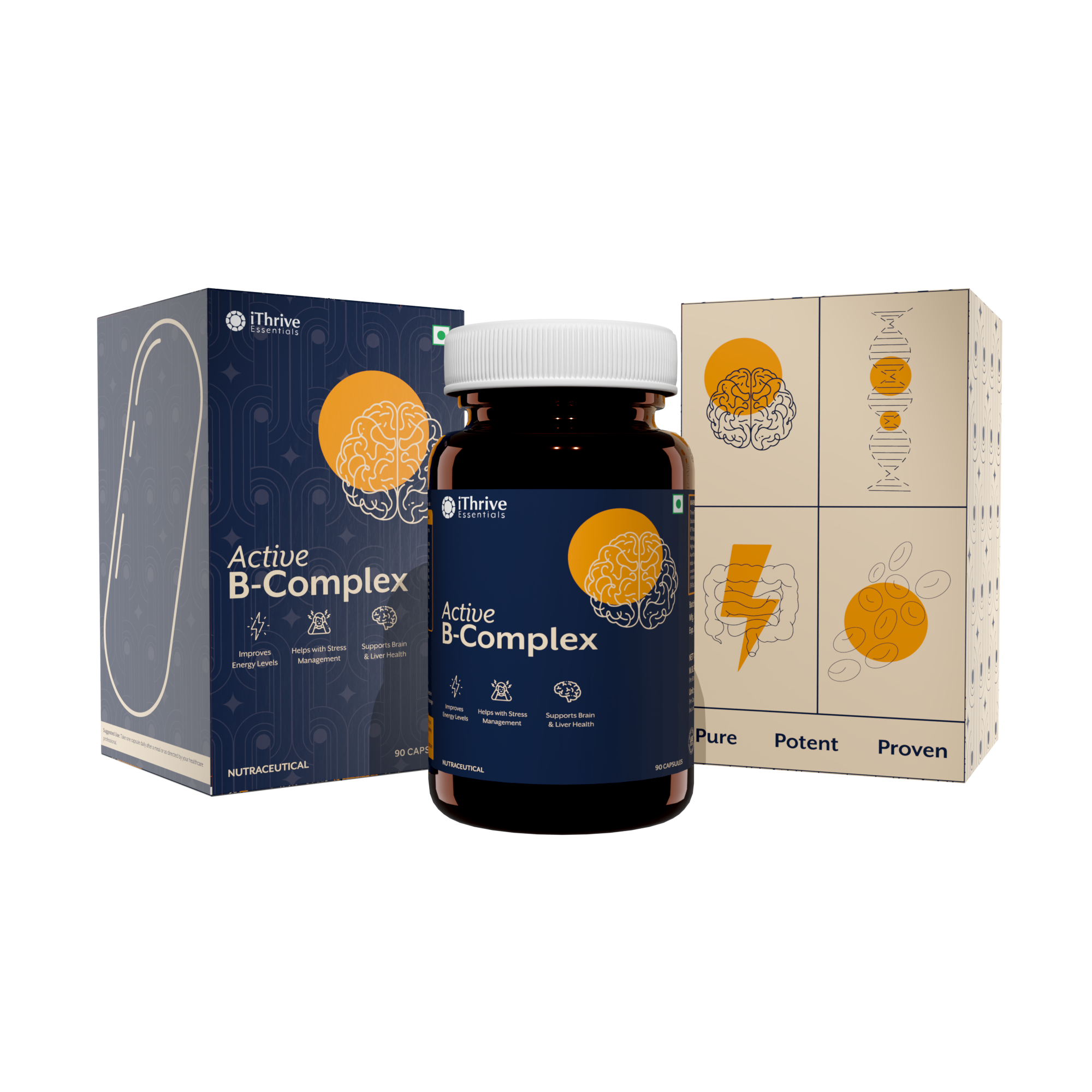
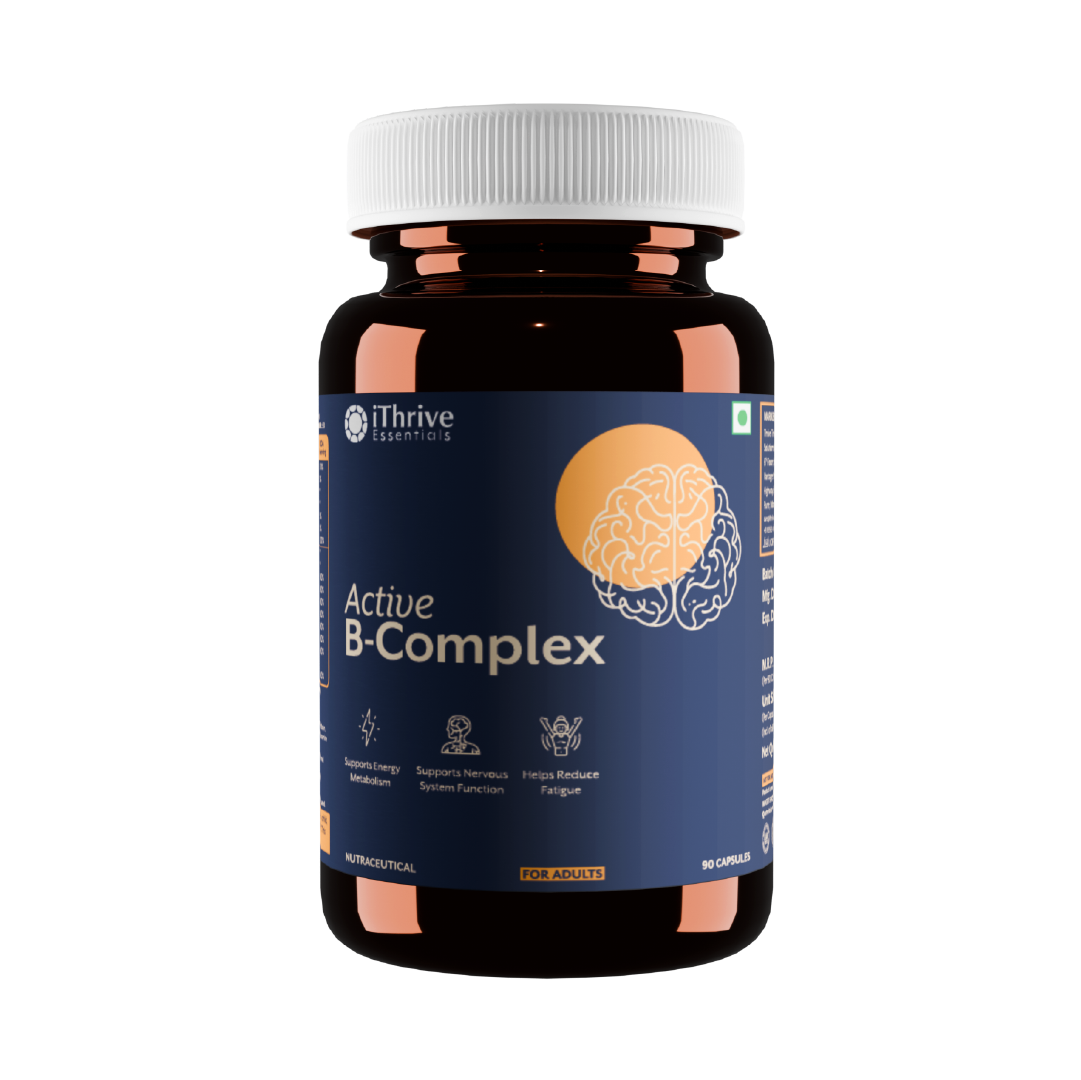
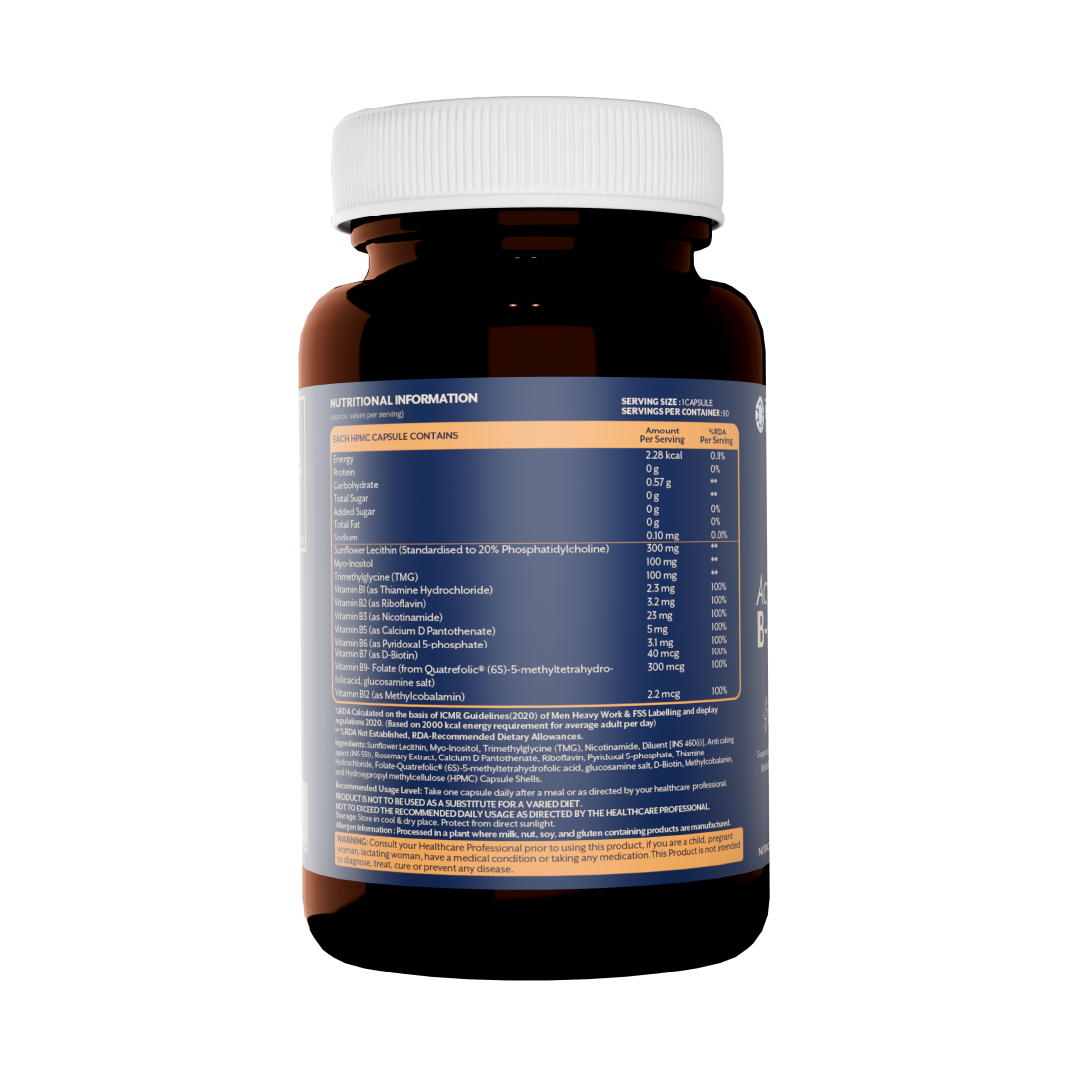
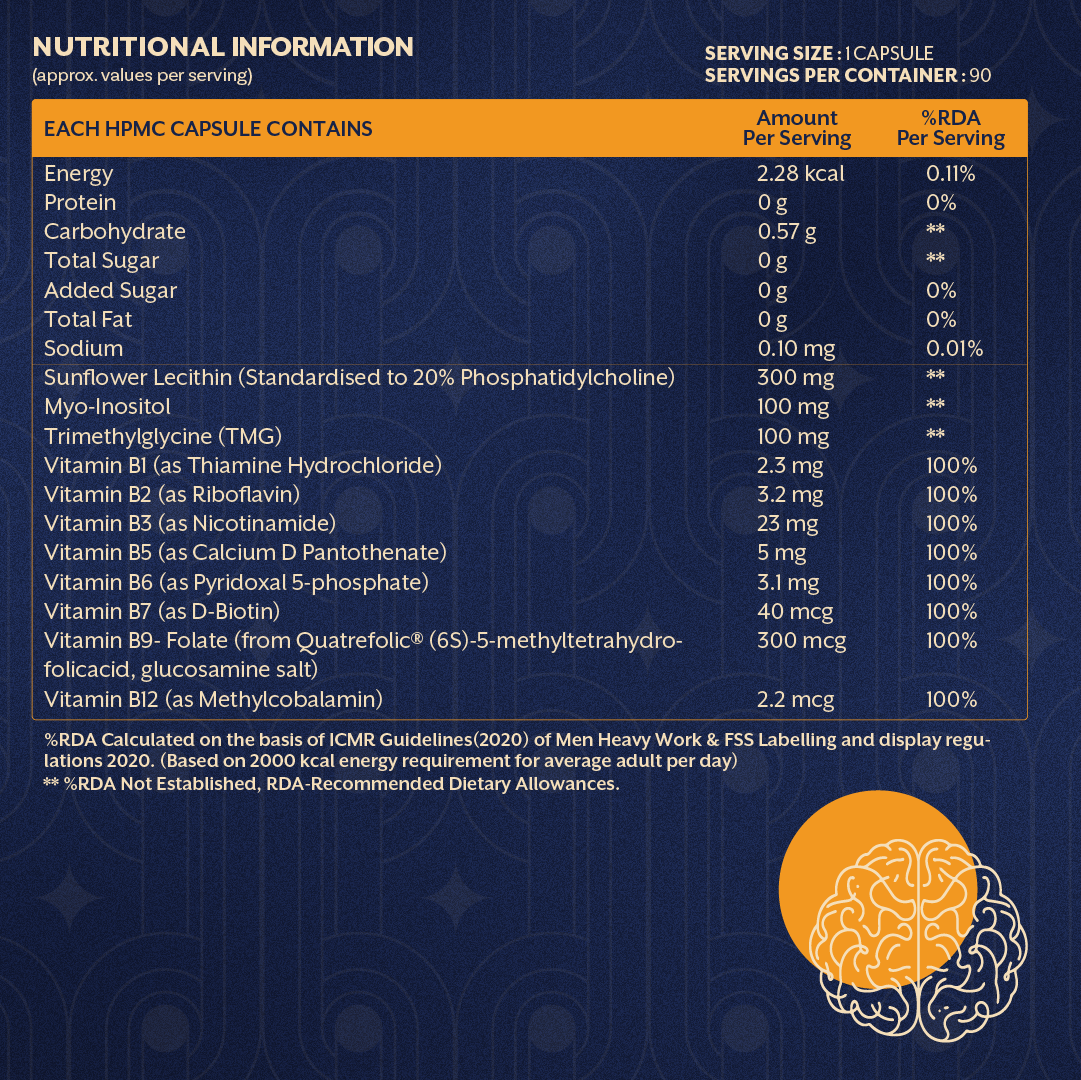
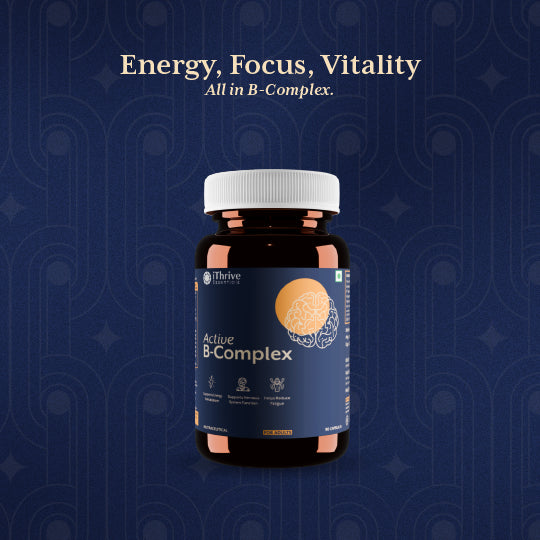
For example, iThrive Active B-Complex uses active forms including P5P for B6, Quatrefolic® 5-MTHF for folate and methylcobalamin for B12, alongside the other B vitamins.
The point isn’t that active B vitamins are a magic hair growth formula. The entire point is that a supplement should be formulated around what the body needs.

A real-world example: when biotin wasn’t the answer
Meera, a 27-year-old marketing professional from Bengaluru who came to iThrive after noticing a dramatic increase in hair shedding.
Her first instinct was the same one millions of people have: Buy biotin.
She had picked up a biotin supplement after seeing promises of visible hair results and took it consistently for several weeks.
But nothing really changed.
When she subsequently underwent an RCA and her broader nutritional status was reviewed, two findings stood out: her ferritin was low and her vitamin D status was borderline low. Her biotin status did not emerge as the obvious explanation for her shedding. That changed the conversation completely.
Instead of adding more biotin, the focus shifted toward the nutritional gaps, alongside dietary changes, reduced heat styling, gentler hair care and ongoing support through the broader three month plan.
Her shedding reduced during that period. The lesson isn’t that vitamin D or iron is “the answer” to everyone’s hair fall either. It is that you need to know what your hair is actually responding to before deciding what supplement to take.
So, does B-Complex actually help hair fall?
Sometimes but not simply because it contains biotin.
If a B-vitamin deficiency is contributing to hair loss, correcting that deficiency can help address one piece of the problem. If you’re already getting enough biotin, however, there is currently no strong evidence that taking large doses will make your hair grow faster or stop shedding.
And if your hair fall is being driven by iron deficiency, thyroid dysfunction, hormonal changes, stress, genetics or another underlying condition, a B-complex alone is unlikely to solve it.
So instead of asking: “Which biotin tablet should I buy?”
Always start with: “Why am I losing hair?”
That question is far more useful.
One more thing before you start taking high dose biotin
There is another reason not to casually take megadose biotin just because it is marketed for hair.
High doses of biotin can interfere with certain laboratory tests and potentially produce misleading results, including some thyroid and cardiac tests. The FDA has specifically warned about clinically significant biotin interference with certain diagnostic assays.
So if you’re taking a high dose biotin supplement, tell your doctor and laboratory before getting blood tests.
It is a very small detail, but of course the one worth knowing.

Key Takeaway
B-complex can be useful when your body actually needs the nutrients it provides.
Biotin can be important for normal hair health, and true deficiency can contribute to hair loss. But the current evidence does not support high dose biotin as a universal hair growth solution for people who are already sufficient.
Hair fall deserves a bigger question than “Which biotin tablet should I take?”
Look at your nutrition, iron status, thyroid, hormones, stress, diet and overall health. And when supplementation is appropriate, choose a formulation based on the form, dose and actual need.
That is also the thinking behind iThrive Essentials’ Active B-Complex: not simply putting eight B vitamins into one bottle, but choosing the forms and combinations deliberately. Because when it comes to supplements, more isn’t always better. The right nutrient, in the right form, for the right reason is what matters.

Written by Mugdha Pradhan



Leave a comment
This site is protected by hCaptcha and the hCaptcha Privacy Policy and Terms of Service apply.