
Magnesium and Insulin Sensitivity: The Mineral Most People with Type 2 Diabetes Are Deficient In
Introduction
For many people living with type 2 diabetes, the focus is almost always on blood sugar numbers. Fasting glucose, post-meal readings, HbA1c these become daily checkpoints. Diets are changed, sugar is reduced, walking becomes routine, and yet something still feels off. Despite doing “everything right,” insulin resistance persists, energy remains low, and metabolic health feels fragile.
What often goes unnoticed in this journey is that insulin resistance is not just a problem of excess sugar. It is also a problem of nutrient deficiency at the cellular level. One of the most critical and most commonly deficient nutrients in people with type 2 diabetes is magnesium.
Magnesium does not work like a drug that forces blood sugar down. Instead, it plays a foundational role in allowing insulin to do its job efficiently. Without adequate magnesium, insulin struggles to communicate with cells, glucose uptake becomes impaired, and the pancreas compensates by producing more insulin. Over time, this silent imbalance contributes to hyperinsulinemia and worsens metabolic dysfunction.
Understanding the role of magnesium shifts the conversation from symptom control to root-cause metabolic support.
Magnesium’s Role in Insulin Sensitivity and Metabolic Health
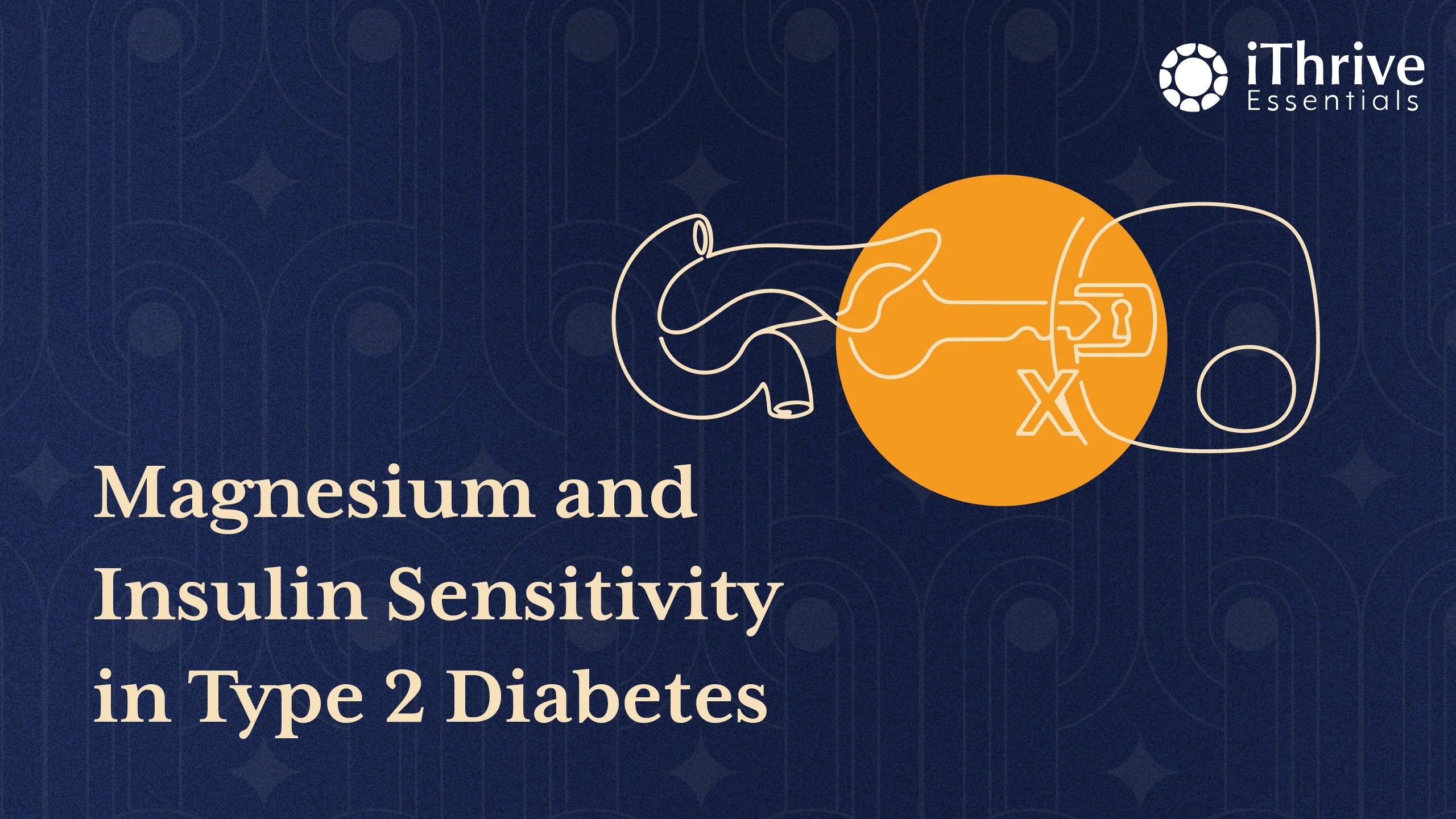
Magnesium is involved in hundreds of biochemical reactions in the body, but its relationship with insulin sensitivity is particularly significant. At a cellular level, magnesium is required for insulin to bind to its receptor and activate the signaling pathways that allow glucose to enter muscle and liver cells. When magnesium levels are sufficient, this process runs smoothly. When they are not, insulin signaling weakens.
This means that even if the pancreas is producing insulin, the body may not be responding to it effectively. As a result, glucose remains in the bloodstream longer, prompting the pancreas to release even more insulin. This compensatory response is one of the earliest steps in the development of insulin resistance and type 2 diabetes.
What makes magnesium deficiency especially concerning is that it often exists long before blood sugar numbers cross diagnostic thresholds. Many individuals have normal fasting glucose but elevated fasting insulin, a sign that the body is already under metabolic strain. Magnesium deficiency quietly amplifies this process.
If you want to understand how fasting insulin behaves before blood sugar rises, you can explore deeper in our “Magic of Magnesium” blog, which breaks down insulin resistance beyond glucose numbers.

Why Magnesium Deficiency Is So Common in Type 2 Diabetes
Magnesium deficiency is not rare, it is widespread, particularly among people with metabolic conditions. Several factors contribute to this.
Modern diets, even those considered “healthy,” often fall short of providing adequate magnesium. Soil depletion has reduced the mineral content of vegetables, and food processing further strips magnesium from grains and packaged foods. Cooking methods can also reduce magnesium availability.
Beyond diet, insulin resistance itself increases magnesium loss. Elevated blood sugar leads to increased urinary excretion of magnesium, meaning the body loses more of this mineral just when it needs it most. Chronic stress, common in urban lifestyles, further depletes magnesium stores through hormonal pathways involving cortisol.
In India, where metabolic health challenges are rising rapidly, these factors intersect with high carbohydrate diets, irregular meal timing, and micronutrient-poor food patterns. As a result, magnesium deficiency often becomes both a cause and a consequence of insulin resistance.

Magnesium, Fasting Insulin, and Hyperinsulinemia
While fasting glucose reflects how much sugar is circulating in the blood, fasting insulin reveals how hard the body is working to keep that sugar in check. Elevated fasting insulin is one of the strongest indicators of metabolic dysfunction, even when glucose levels appear normal.
Magnesium directly influences fasting insulin by improving insulin efficiency. When magnesium levels are adequate, insulin receptors respond more effectively, meaning less insulin is required to achieve the same glucose-lowering effect. Over time, this reduces the chronic insulin overload that drives fat storage, inflammation, and energy crashes.
This is why magnesium supplementation is increasingly recognized as a valuable strategy in addressing hyperinsulinemia, not just high blood sugar. Rather than forcing glucose down, magnesium helps restore metabolic balance by reducing the need for excessive insulin secretion.
The Impact of Magnesium on Inflammation and Oxidative Stress
Type 2 diabetes is not solely a disorder of glucose metabolism, it is also a state of chronic low-grade inflammation and oxidative stress. These processes damage insulin receptors, impair mitochondrial function, and accelerate disease progression.
Magnesium plays a protective role here as well. Adequate magnesium levels help regulate inflammatory pathways and reduce oxidative damage at the cellular level. This supports healthier insulin signaling and protects pancreatic beta cells from long-term stress.
By addressing inflammation alongside insulin resistance, magnesium contributes to a more comprehensive improvement in metabolic health rather than a narrow focus on glucose control alone.
Why Food Alone Often Isn’t Enough
While magnesium-rich foods such as leafy greens, nuts, seeds, and legumes are important, relying solely on diet is often insufficient once insulin resistance has developed. Reduced absorption, increased losses, and higher cellular demand make it difficult to restore optimal magnesium levels through food alone.
This is where supplementation becomes a practical and effective option. A well-formulated magnesium supplement can help replenish intracellular magnesium stores, which is where the mineral exerts its metabolic effects.
For a brand like iThrive Essentials, the emphasis is not on quick fixes but on consistent, bioavailable support that works with the body’s physiology. Choosing the right form of magnesium matters as much as the dose itself.
For readers interested in how micronutrient deficiencies influence metabolic health at a deeper level, you can explore more evidence based breakdowns within our Essential Blogs.
Choosing the Right Form of Magnesium for Insulin Sensitivity
Not all magnesium supplements behave the same way in the body. Some forms are poorly absorbed and primarily act as laxatives, offering little metabolic benefit. For insulin sensitivity and metabolic health, forms such as magnesium bisglycinate and magnesium glycinate are preferred due to their high absorption and gentle impact on digestion.
These forms are designed to enter cells efficiently, supporting insulin signaling, energy production, and nervous system balance. When taken consistently, they help correct underlying deficiencies rather than providing temporary relief.
A clean, well-dosed magnesium supplement fits naturally into a metabolic health routine, especially for individuals managing type 2 diabetes or insulin resistance.

Dosage, Timing, and Consistency
Effective magnesium supplementation is not about taking the highest possible dose but about meeting the body’s ongoing needs. For individuals with insulin resistance, daily intake typically ranges between 400 and 600 mg of elemental magnesium, adjusted based on individual tolerance and professional guidance.
Magnesium is often best taken in the evening, as it also supports relaxation and sleep quality, both of which play indirect roles in insulin sensitivity. However, the most important factor is consistency. Magnesium works gradually, restoring cellular balance over weeks rather than producing immediate changes in blood sugar readings.
Integrating Magnesium Into a Broader Metabolic Strategy
Magnesium is not a standalone solution, but it is a foundational one. When magnesium levels are adequate, other metabolic interventions tend to work better. Improved insulin sensitivity enhances the effectiveness of lifestyle changes, dietary adjustments, and complementary nutrients involved in glucose metabolism.
This layered approach reflects a shift away from isolated symptom management toward systems-based metabolic care, where deficiencies are corrected before more aggressive interventions are considered.
Safety Considerations
Magnesium is generally safe for most individuals, but those taking glucose-lowering medications should monitor blood sugar levels when introducing supplementation. As insulin sensitivity improves, medication requirements may change, and adjustments should always be made under medical supervision.
Mild digestive symptoms can occur initially, particularly if doses are increased too quickly. Starting with a moderate dose and building gradually helps minimize discomfort.
Final Takeaway
Type 2 diabetes is often framed as a disease of excess like too much sugar, too many calories, too much weight. Yet at a cellular level, it is just as much a disease of deficiency. Magnesium deficiency quietly undermines insulin function, accelerates insulin resistance, and contributes to long-term metabolic imbalance.
By restoring magnesium levels, the body is better equipped to respond to insulin, regulate blood sugar, and reduce the strain placed on the pancreas. This does not replace the need for lifestyle changes or medical care, but it strengthens the foundation on which all other interventions rely.
Sometimes, improving metabolic health is not about adding more control, but about restoring what has been missing all along.



Leave a comment
This site is protected by hCaptcha and the hCaptcha Privacy Policy and Terms of Service apply.