
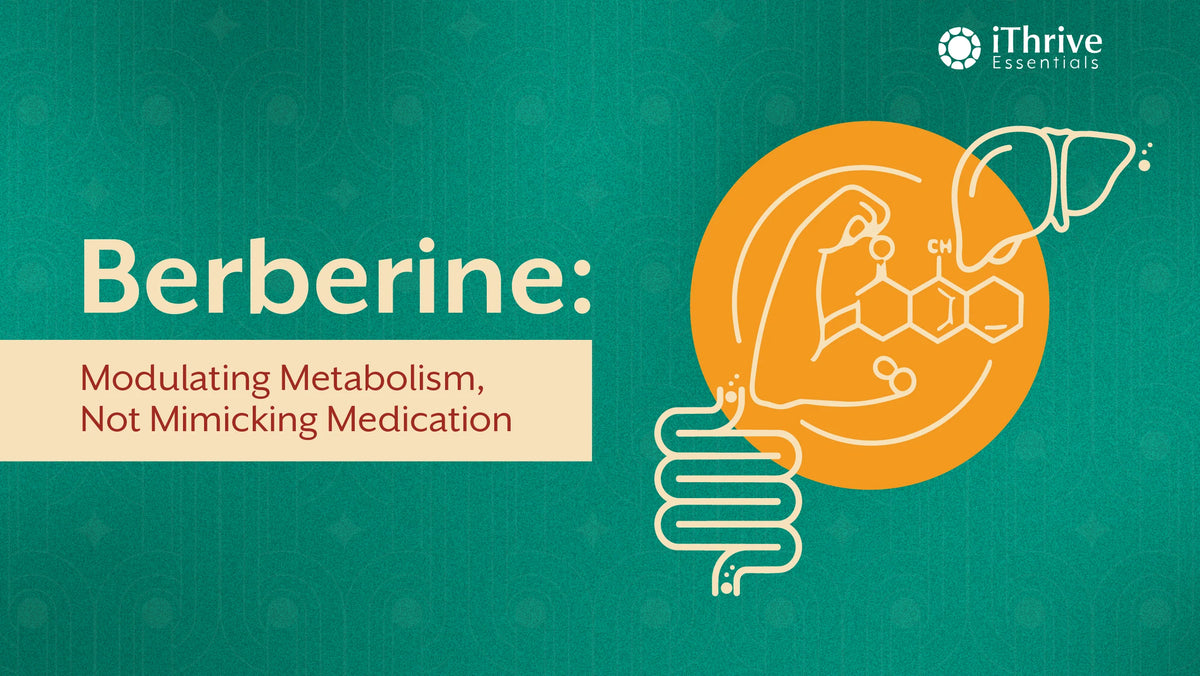
Berberine and Blood Sugar: A Metabolic Modulator, Not a “Natural Metformin”
Introduction
Berberine has gained significant attention in metabolic health conversations, often introduced as a “natural alternative to metformin.” While the comparison may appear convenient, it does a disservice to both compounds and oversimplifies the complexity of glucose regulation. Berberine is not a pharmaceutical mimic, nor is it intended to function as a drug replacement. It is a metabolic modulator, working through multiple cellular, microbial, and signaling pathways that collectively influence blood sugar control and insulin resistance.
In Type 2 diabetes and early metabolic dysfunction, the challenge is rarely a single broken pathway. Instead, there is a convergence of impaired insulin signaling, hepatic glucose overproduction, mitochondrial inefficiency, chronic inflammation, and gut dysbiosis. Berberine’s relevance lies precisely in this multidimensional landscape. Understanding how it works and how it should be formulated allows it to be used intelligently rather than trendily.
Berberine: A Botanical Compound With Systemic Reach
Berberine is a bioactive alkaloid extracted from several plants, including Berberis aristata and Coptis chinensis. Traditionally used in Ayurvedic and Chinese medicine for infections and digestive disturbances, its metabolic effects were identified much later through modern biochemical research.
Unlike nutrients that act as substrates or cofactors, berberine functions primarily as a cellular signal regulator. It interacts with energy-sensing pathways, inflammatory mediators, and gut-derived signals. This broad reach explains why berberine benefits extend beyond blood sugar control to lipid metabolism, gut integrity, and even vascular health.
Importantly, berberine does not force glucose into cells. Instead, it recalibrates how cells respond to energy availability, a distinction that becomes critical in insulin-resistant states.
How Berberine Influences Blood Sugar Regulation
AMPK Activation: The Central Node
One of berberine’s most studied mechanisms is its activation of AMP-activated protein kinase (AMPK). AMPK acts as the body’s internal fuel gauge. When activated, it shifts metabolism away from glucose production and storage toward energy utilization and efficiency.
In insulin resistance, AMPK activity is often suppressed. Berberine reactivates this pathway, leading to reduced hepatic gluconeogenesis, improved glucose uptake in skeletal muscle, and enhanced fatty acid oxidation. This mechanism partially overlaps with metformin, which is why comparisons arise, but the upstream triggers and downstream effects differ.
Improved Insulin Signaling Without Insulin Overload
Berberine improves insulin sensitivity by enhancing insulin receptor signaling and reducing inflammatory interference at the cellular membrane. Rather than increasing insulin secretion, it makes existing insulin more effective, a crucial distinction for individuals with hyperinsulinemia.
This aligns with principles discussed in Magnesium and Insulin Sensitivity: The Mineral Most People With Type 2 Diabetes Are Deficient In , where restoring cellular responsiveness is emphasized over forcing insulin output.

Berberine and the Gut–Metabolic Axis
A lesser-discussed but clinically relevant action of berberine is its effect on the gut microbiota. Berberine alters microbial composition, increasing short-chain fatty acid–producing bacteria and reducing endotoxin-producing species.
This matters because gut-derived inflammation is a major driver of insulin resistance. By reducing intestinal permeability and lowering circulating lipopolysaccharides, berberine indirectly improves insulin signaling at distant tissues.
This gut-centric mechanism complements insights from Alpha Lipoic Acid (ALA): Reducing Oxidative Stress in Insulin Resistance , where oxidative stress and inflammatory load are identified as upstream disruptors of metabolic control.
Berberine vs Metformin: Where the Comparison Breaks Down
The phrase “natural metformin” is misleading for several reasons. Metformin is a pharmaceutical agent designed to target hepatic glucose production aggressively. Berberine, in contrast, works across liver, muscle, gut, and adipose tissue through adaptive modulation rather than pharmacologic suppression.
Additionally, berberine’s antimicrobial and gut-modifying actions have no equivalent in metformin. Conversely, metformin’s potency and predictability in advanced diabetes are not matched by berberine. These compounds are not interchangeable, rather they are contextually useful in different metabolic stages.
Framing berberine as a metformin substitute risks inappropriate self-medication and ignores its real value as part of a broader insulin resistance treatment strategy.

Formulation Matters: Why All Berberine Supplements Are Not Equal
Berberine has inherently low oral bioavailability due to poor intestinal absorption and rapid metabolism. This makes formulation critical. Simply adding berberine to a capsule does not guarantee metabolic impact.
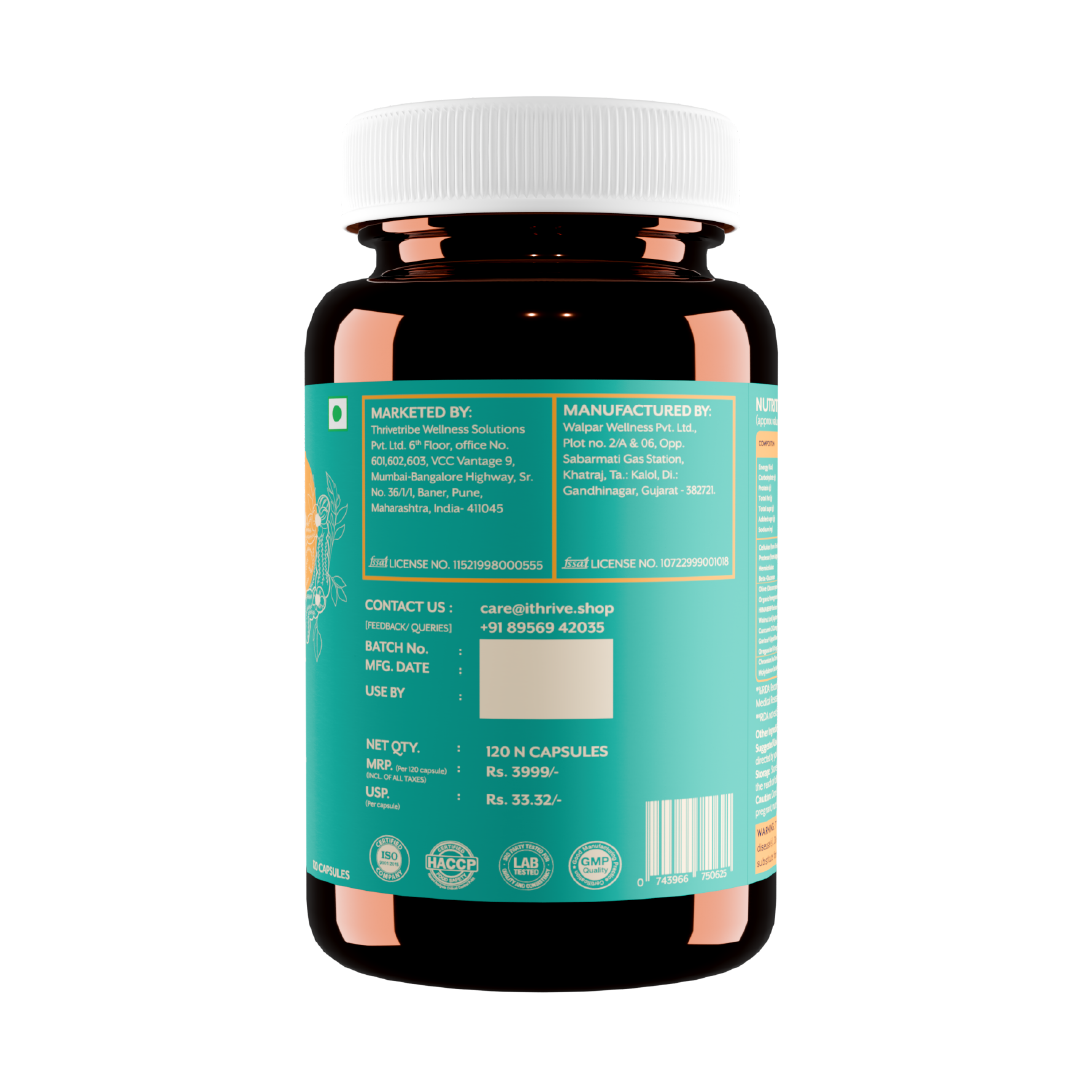
Advanced formulations often pair berberine with bioavailability enhancers, gut-stabilizing compounds, or complementary nutrients that support insulin signaling and mitochondrial function. This formulation philosophy reflects the iThrive Essentials approach that involves designing supplements to integrate into physiology rather than acting as isolated actives.
A well-formulated berberine supplement should consider dosage timing, synergistic nutrients, and gastrointestinal tolerance to ensure consistent metabolic modulation rather than short-lived spikes.

Who Benefits Most From Berberine?
Berberine is most effective in individuals with early insulin resistance, postprandial glucose spikes, metabolic syndrome, or gut-driven inflammation. It is not a stand-alone therapy for advanced Type 2 diabetes but can be a valuable adjunct when foundational nutrition and lifestyle strategies are in place.
Its benefits are amplified when combined with micronutrients that support insulin signaling and oxidative balance such as magnesium bisglycinate, zinc defense, and antioxidants rather than used in isolation.
Safety, Dosage, and Clinical Considerations
Typical berberine dosage ranges from 900–1500 mg per day, divided across meals. Gastrointestinal discomfort can occur at higher doses, particularly in poorly formulated products. Berberine may also interact with certain medications, including hypoglycemics and antibiotics, requiring clinical oversight.
Long-term use should be periodically reassessed, especially when metabolic markers improve. Berberine is a tool, and not a lifetime crutch.
Integrating Berberine Into a Systems-Based Metabolic Strategy
Berberine works best when layered into a strategy that addresses mineral deficiencies, oxidative stress, mitochondrial health, and gut integrity. This mirrors the systems-based philosophy behind iThrive Essentials that is supporting metabolic resilience by rebuilding foundational physiology rather than chasing isolated glucose numbers.
When used thoughtfully, berberine becomes less about lowering blood sugar and more about restoring metabolic flexibility.
Key Takeaway
Berberine is not “natural metformin,” and it should not be treated as such. Its true value lies in its ability to modulate energy sensing, insulin responsiveness, gut-derived inflammation, and hepatic glucose output simultaneously. When formulated intelligently and integrated into a broader metabolic framework as emphasized by iThrive Essentials , berberine supports blood sugar control by improving how the body handles glucose, not by overpowering it. Used with clinical insight, it becomes a precision tool rather than a metabolic shortcut.


Leave a comment
This site is protected by hCaptcha and the hCaptcha Privacy Policy and Terms of Service apply.